
The production of furniture facades based on MDF boards consists of several stages of processing: cutting, profiling and lamination. In this article, we will consider in detail the processes of cutting and profiling.
Cutting of MDF sheets can be carried out both on sliding table saws and beam saws, and on CNC machining centers. In the first case, saws are mainly used with carbide teeth for the main saw and carbide or diamond for the scoring blade. 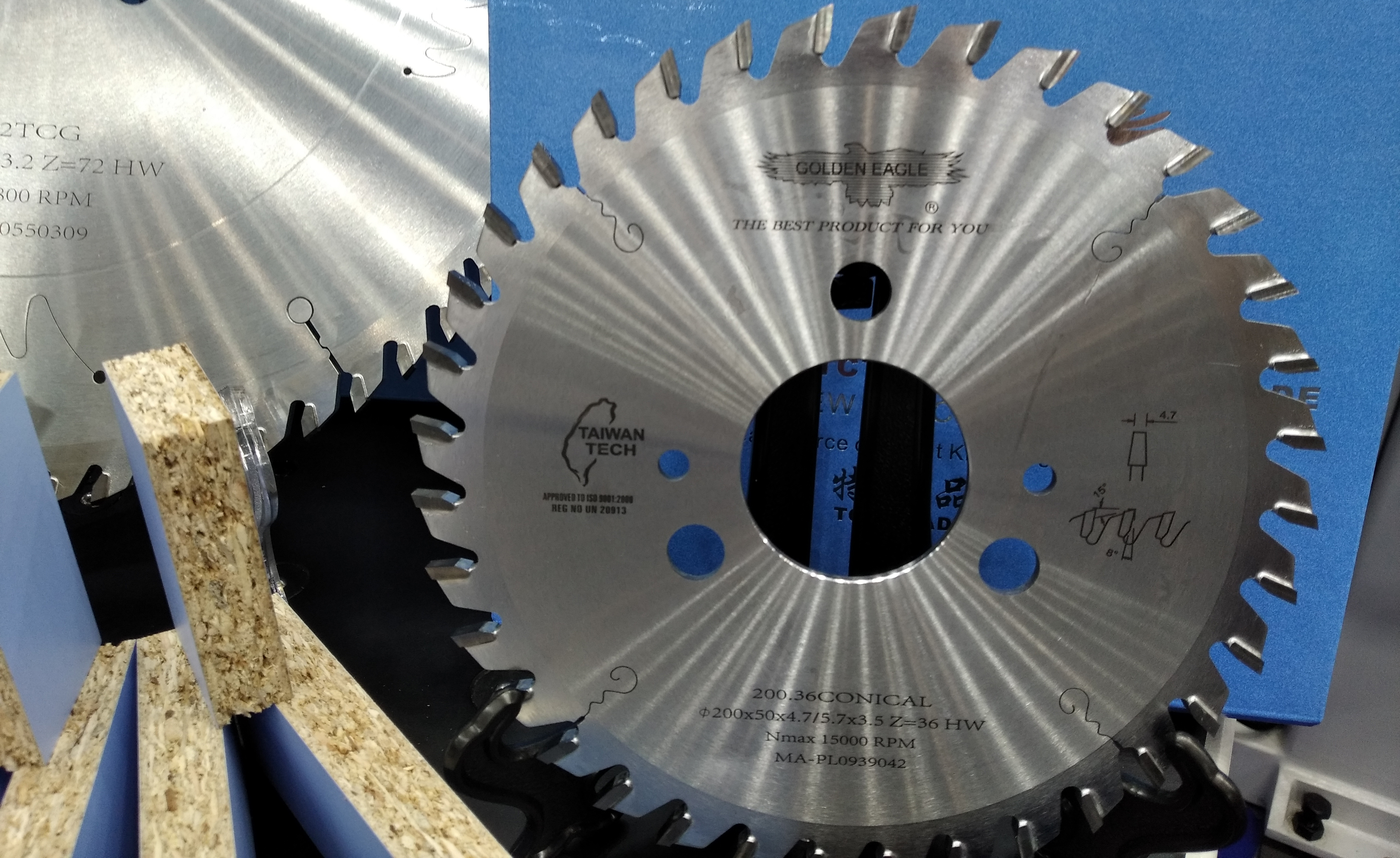
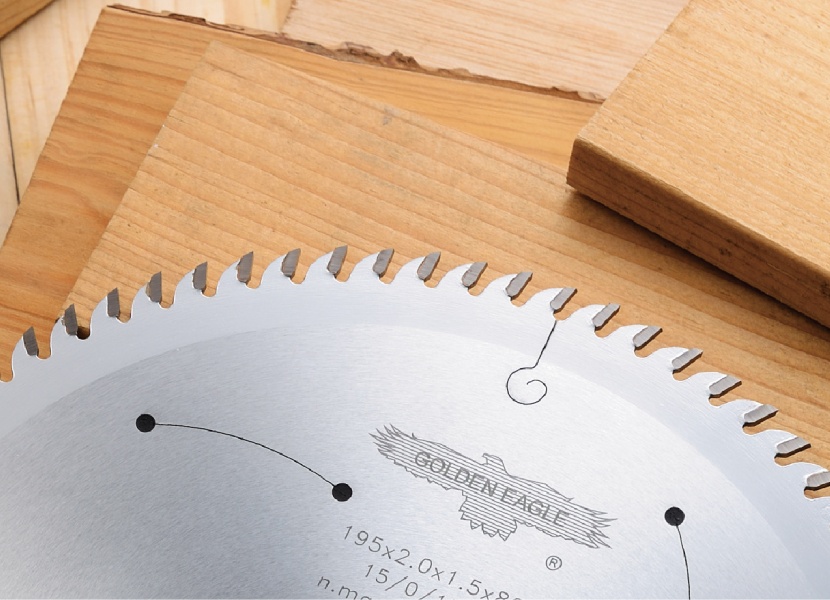
Stancomplect's product range includes both carbide basic and scoring saw blades from GOLDEN EAGLE and HD, as well as the well-proven HD diamond scoring saw blades.
The use of carbide and diamond saws is advisable to use for cutting rectangular blanks of MDF facades in view of their following advantages:
- Relatively low cost;
- Small cutting thickness;
- The resource before sharpening the main saw when cutting MDF is more than 2000 m (about 1000 blanks of facades);
- The main saw can be sharpened 20-25 times.
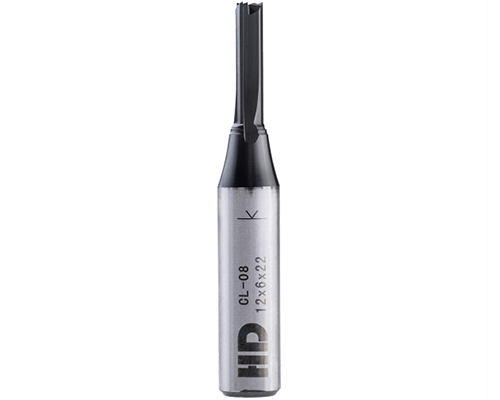
Cutting of plates on CNC machining centers is carried out with carbide end cutters or polycrystalline diamond cutters.
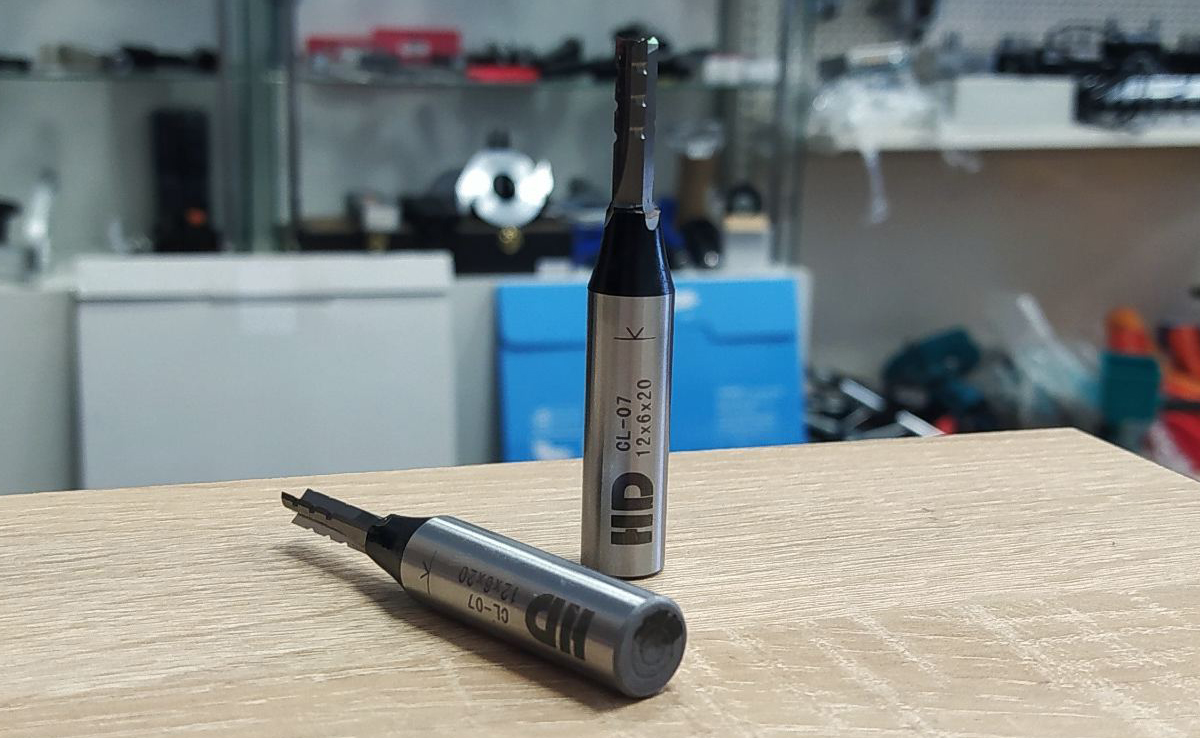
Carbide Benefits:
- Small cutting diameter of 6 mm and as a result significant material savings. For comparison, I drank 12, 16 or 20 mm from diamond cutters.
- The low cost of the cutter itself and, as a result, a decrease in the cost of the operation itself, the ability to work with poor quality materials without fear of damaging it.
- High cutting quality - the ability to cut parts under certain conditions in one pass.
- Save material by cutting 6 mm instead of 12 or 16 (as for diamond cutters).
The disadvantages include perhaps a low resource before sharpening. Diamond tools before sharpening pass about 5000 meters, carbide tools about 1200 meters.
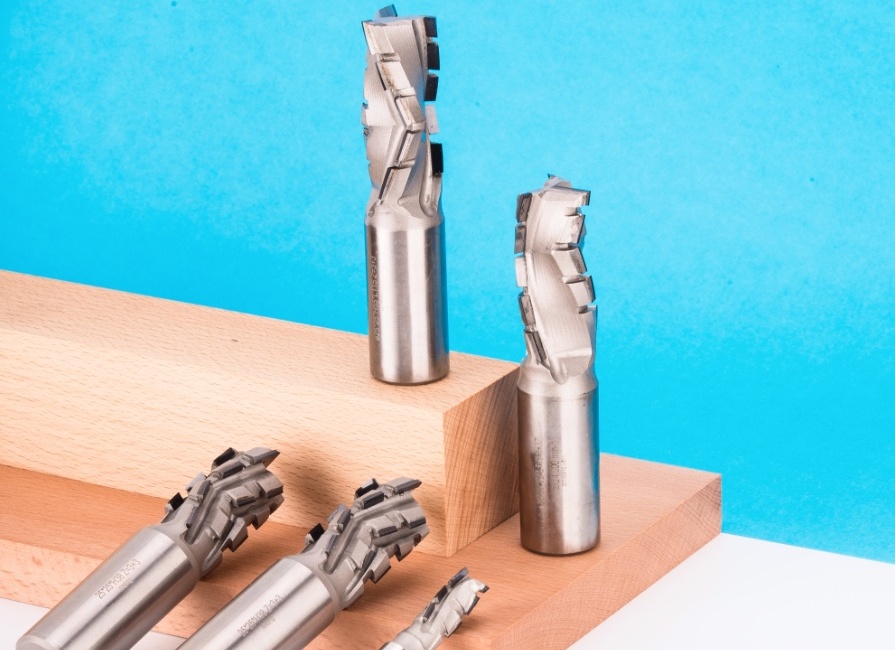
Among the diamond end mills for sizing, the nesting cutters stand out. They differ in execution depending on the number of feed planes: for feed in one plane (1 + 1), in two planes (2 + 2), in three planes (3 + 3) from are made based on the maximum productivity of the equipment.
A distinctive feature of these cutters is the maximum number of cutting inserts, their spiral arrangement, cutting diameter 12-20 mm, cutting height 25-35 mm to ensure the necessary rigidity of the tool and placement of cutting elements.
Such a tool allows feeds from 20 m/min (for cutters 3 + 3) and is used in small-scale production of cabinet furniture according to a technology in which cutting, profiling and additive are performed in one installation on a machining center. A typical representative of this type of cutter are cutters from the Taiwanese manufacturer HD. 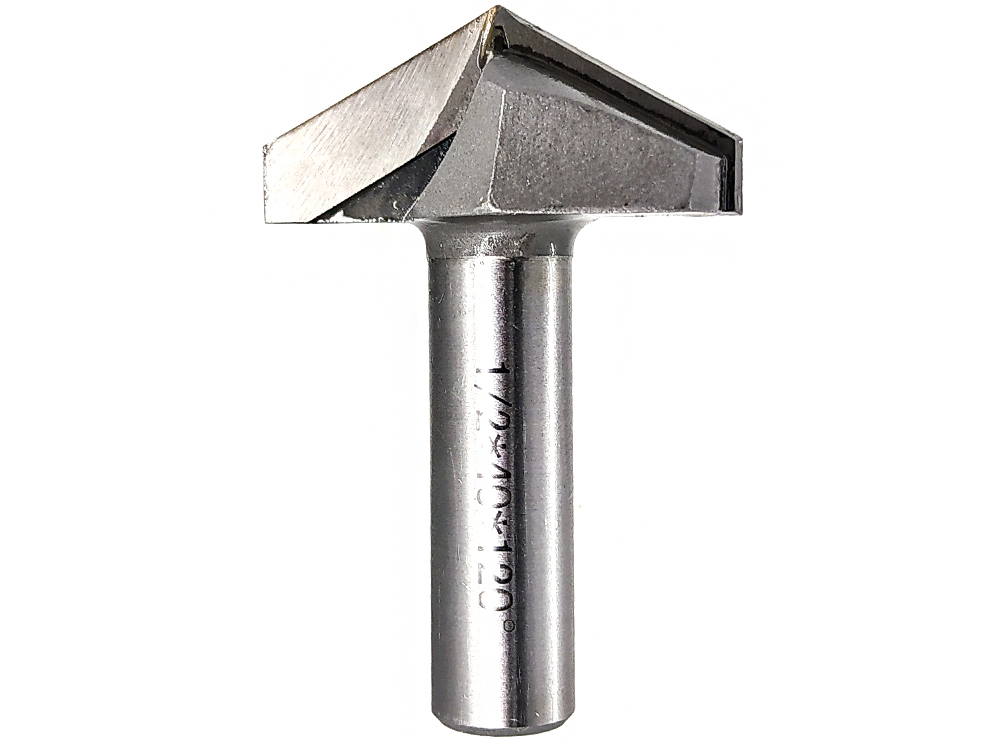
If only a universal tool is used for cutting slabs, then for profiling, cutters with a rather specific pattern are needed, which are often made according to the drawings of a particular facade manufacturer.
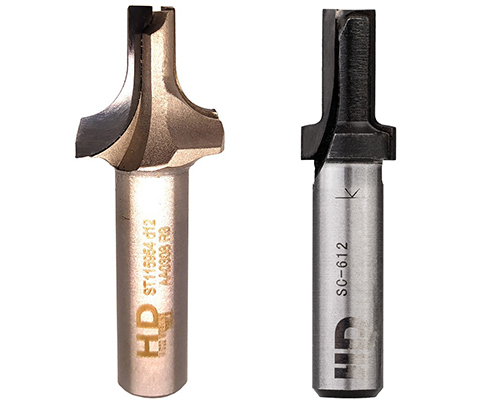
The most affordable tool for facade profiling are HD brazed carbide cutters. This is an end tool with a shank diameter of 8.12 mm, designed for copy machines and portable milling machines.
For profiling the inside of facades, radius cutters and V-shaped cutters for engraving patterns are very often used. There are many milling cutters with a more complex profile and cutting diameter that allow you to get an expressive geometric pattern on the facade.
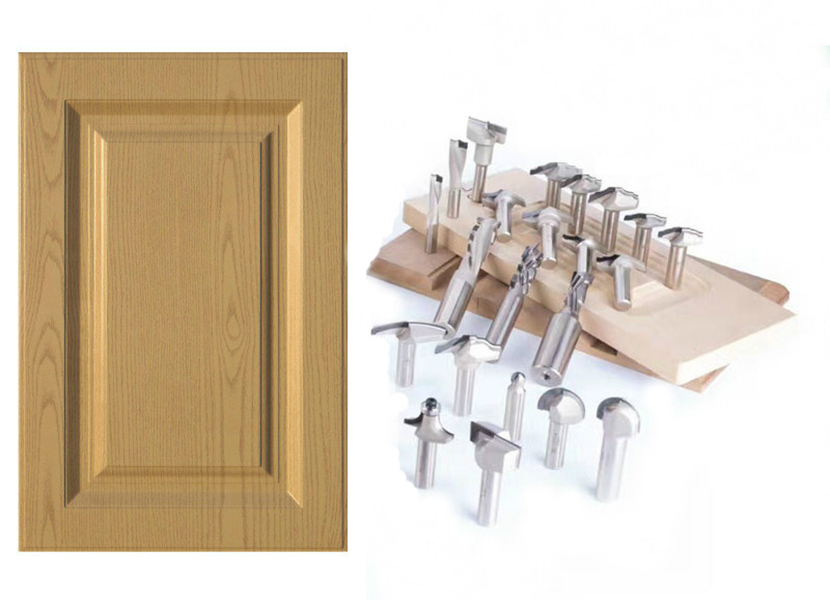 The most perfect solution for processing MDF facades, from the technical point of view, is the use of diamond profile cutters. The wear resistance of the material of the cutting edge allows you to work with a cutter a lot, without being distracted by changing tools or knives.
It is economically advantageous to use diamond tools with a large volume of production of facades with the same type of milling profile. At the same time, the quality of the processed plates should exclude the possibility of damage to the cutting edges from hard inclusions.
Profile diamond cutters are widely represented on the Stancomplect website, there are even sets of profile diamond cutters for facades (from two to five cutters per set), depending on the design of the facade.
Most often, in furniture stores, you can see facades, in the manufacture of which cutters of two profiles were used: rounding around the perimeter and milling an internal closed contour. And five tools are already enough to create an imitation of a frame facade made of solid wood with a panel.








Write a comment