
Every furniture factory started somewhere. Some began with a small, simple workshop; others took out loans to invest in their first machines, while some immediately poured funds into large-scale plants with extensive machinery numbers.
However, sooner or later, every manufacturer faces the same question: what machines are truly essential? Which machinery will genuinely boost productivity, and what can you do without? We'll answer all these questions in our articles — starting with the smallest type of production: the so-called small-scale furniture manufacturing.
Small-scale production typically operates with limited space and budget, making every machinery choice critically important. The main goal is to find the optimal balance between cost, performance, and the specific needs of the production.
Cutting
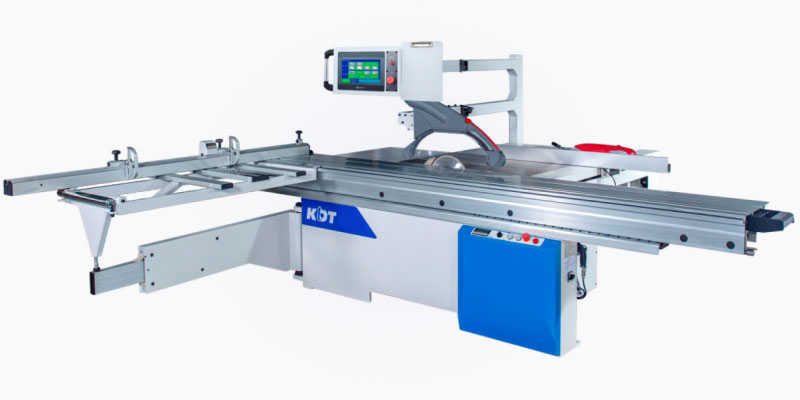
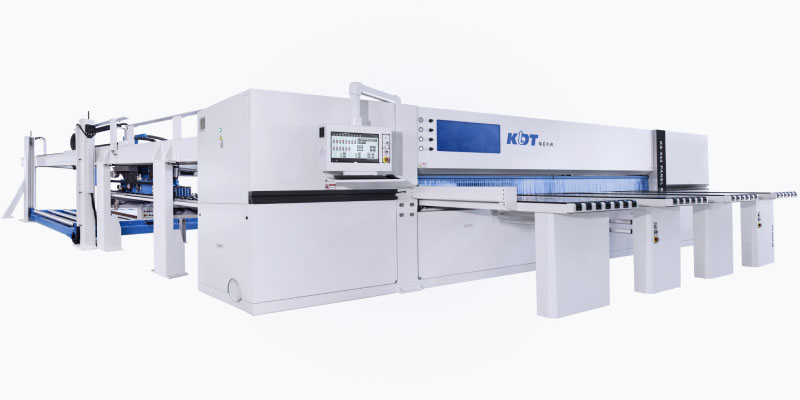
The first operation in furniture manufacturing is panel cutting. And already at this stage, the production paths begin to diverge: between the sliding table saw and the CNC beam saw.
An undeniable advantage of the sliding table saw is its price. However, all other aspects come with a "but".
One of the main drawbacks is the required skill level of the machine operator. The quality and speed of processing heavily depend on the operator's experience and proficiency. Another disadvantage is its relatively high risk of injury. Regardless of a worker's experience, mistakes might still happen.
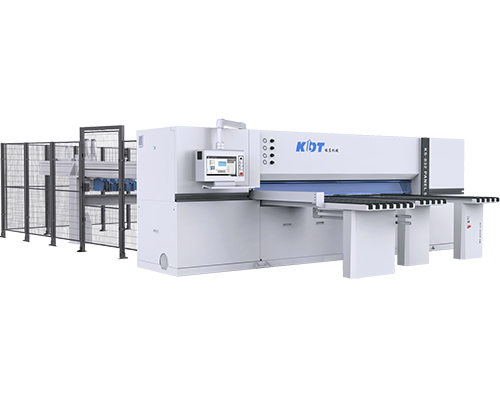
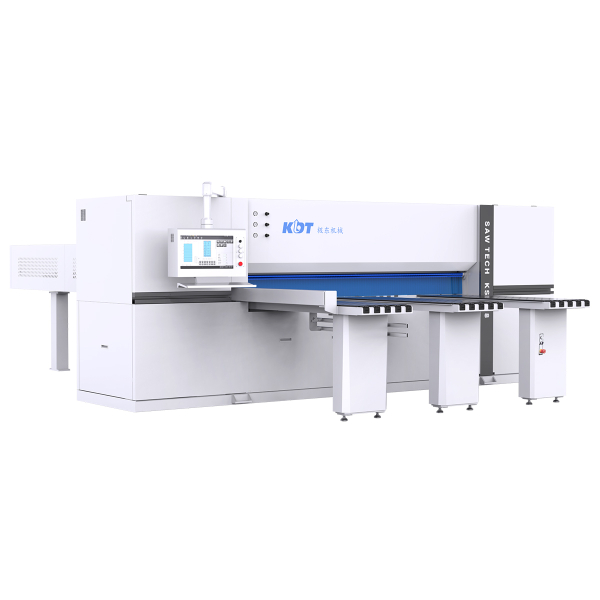
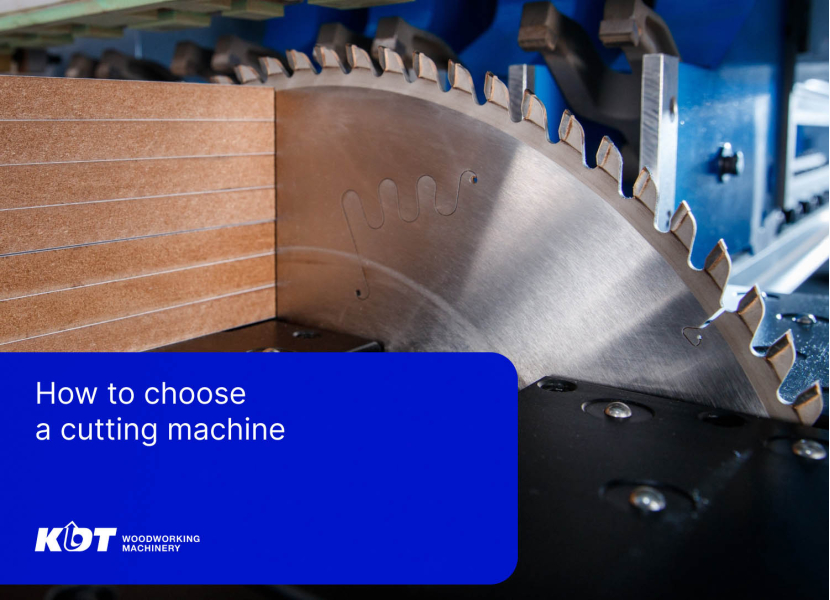
CNC beam saws, on the other hand, require minimal operator's qualification. Almost all processes are automated, and the operator's main task is simply to feed the material for cutting. Even so, the required part is indicated on the screen. This is why the saw center ensures consistent industrial-quality results — and more. It also supports stack cutting, allowing multiple panels to be processed at once, which significantly boosts productivity. For example, the KS-828C CNC beam saw has a working stack height of 90 mm and can simultaneously cut up to five sheets of 16 and 18 mm thickness. There are also CNC models available with stack cutting heights of up to 110 mm and even 120 mm.
Another important factor is the efficient use of limited production space.
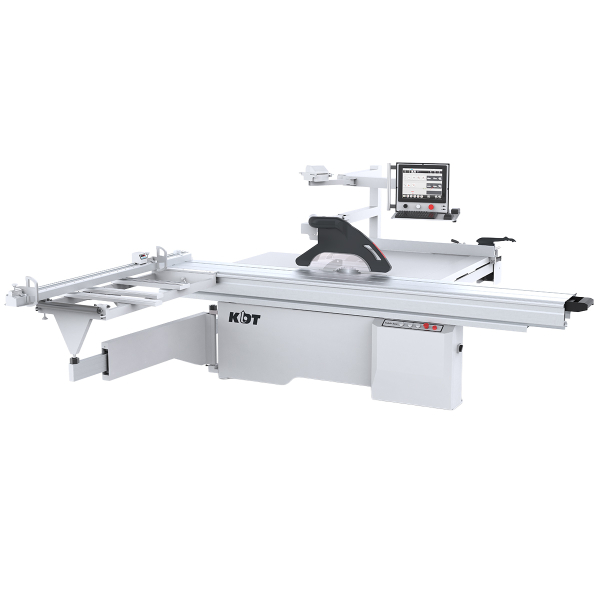
At first glance, sliding table saws appear compact and may seem like the perfect solution for small workshops. But this is misleading. Due to the constant movement of the sliding table during operation, they require a large work area that must remain completely clear of any obstructions.
In contrast, a cutting center might initially seem bulky due to its size and enclosed design. However, in reality, some models take up roughly the same space while delivering significantly higher productivity.
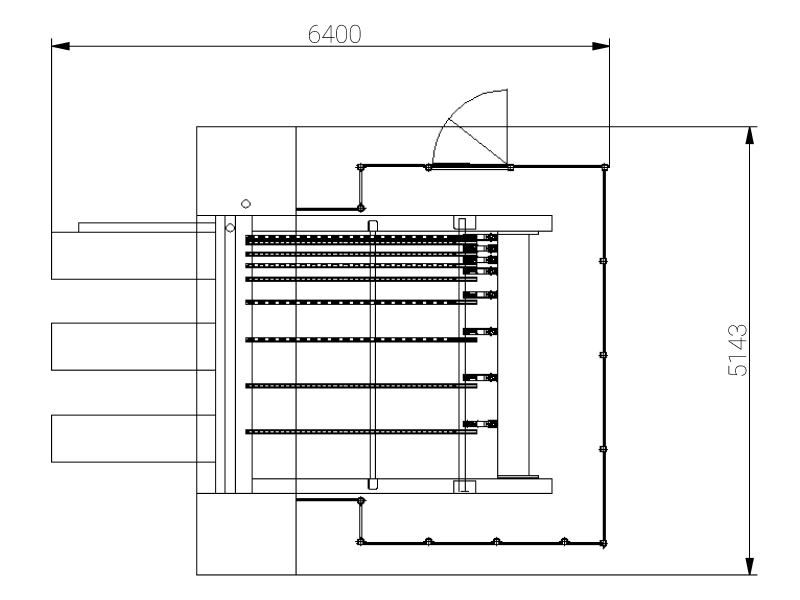
KS-828C CNC beam saw
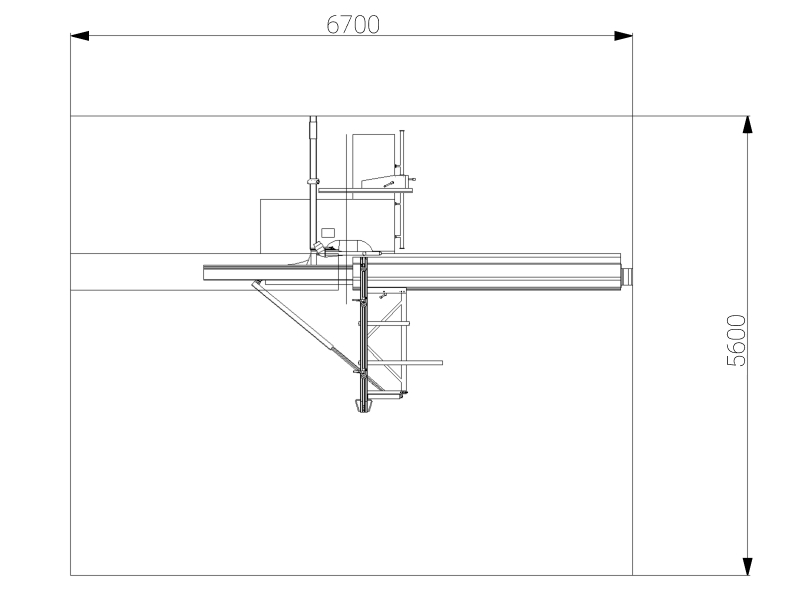
Working area of KS-132 Sliding table saw
Edgebanding
The next stage in processing furniture workpieces is edgebanding.
Sure, we all know it's possible to glue the edge using a regular iron — but that's not a serious solution. In real production, edgebanding machines are used. There are many types available, but they are mainly divided into universal edgebanding machines and edgebanders.
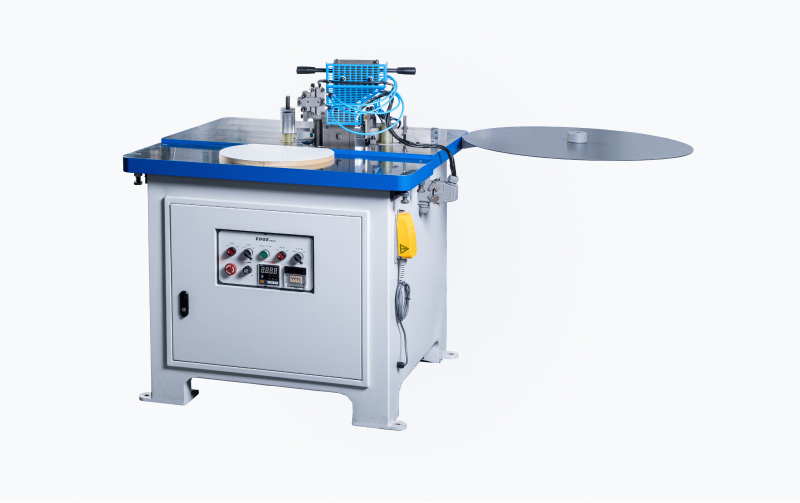
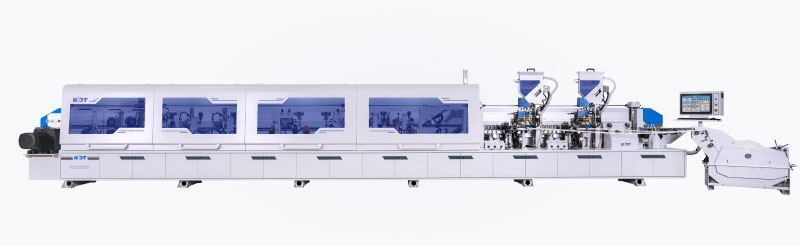
In the ideal scenario, both types should be installed in a production line, but that's not always possible. So let's take a closer look:
From a financial standpoint, the obvious choice is universal machines. They are the most affordable to purchase.
In terms of space, universal machines also win—they are significantly more compact than their counterparts.
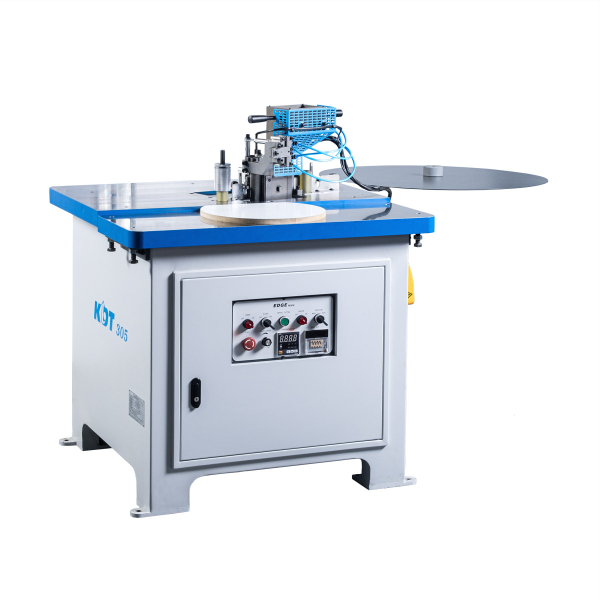
Another advantage is right in the name: they can handle any type of workpiece, including curved shapes.
However, despite all these advantages, universal edgebanding machines have a serious drawback. After applying the edge, significant manual finishing is required — such as trimming overhangs with a handheld router and performing corner rounding. This process takes time and noticeably reduces overall productivity.
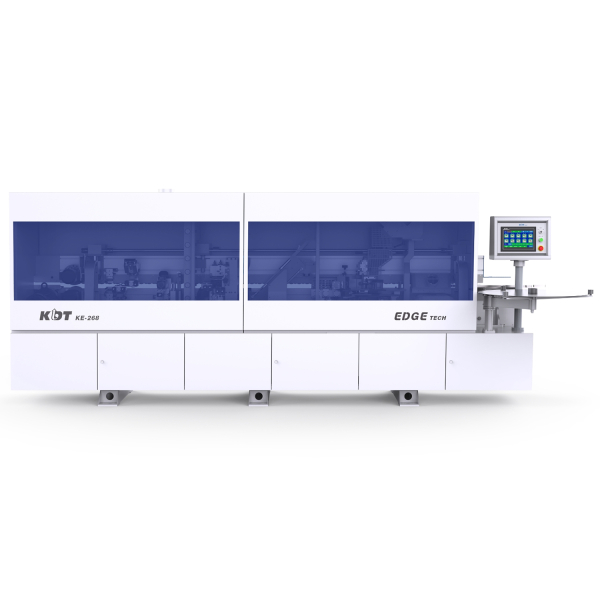
Though more expensive, larger in size, and only capable of processing straight workpieces, edgebanders are in high demand due to their fully automated processing cycle. The operator's only tasks are to load the workpiece and unload the finished one. This level of automation is what sets them apart. While universal machines might manage to apply around 100 meters of edge tape per shift, edgebanders can easily handle from 1 to 1.5 kilometers.
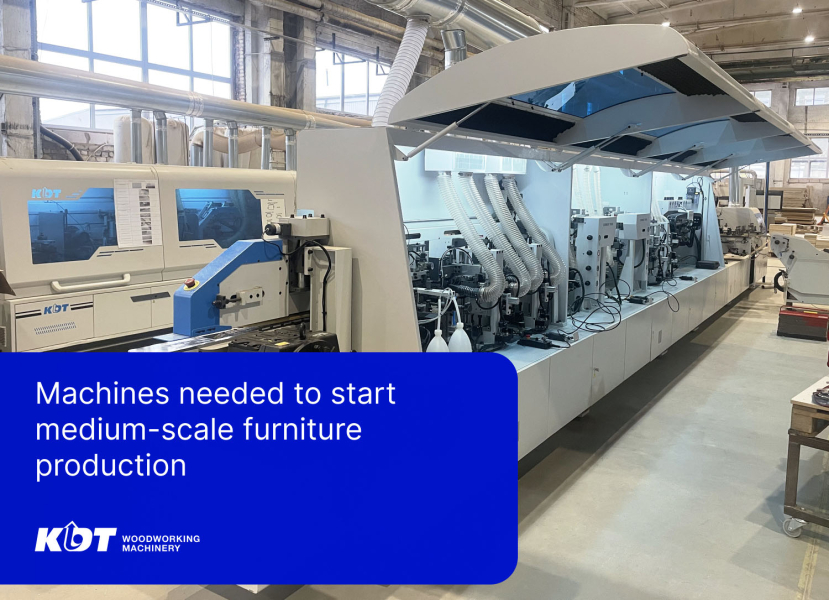
Our recommended solution for production facilities with limited space is the KE-268JSA edgebander.
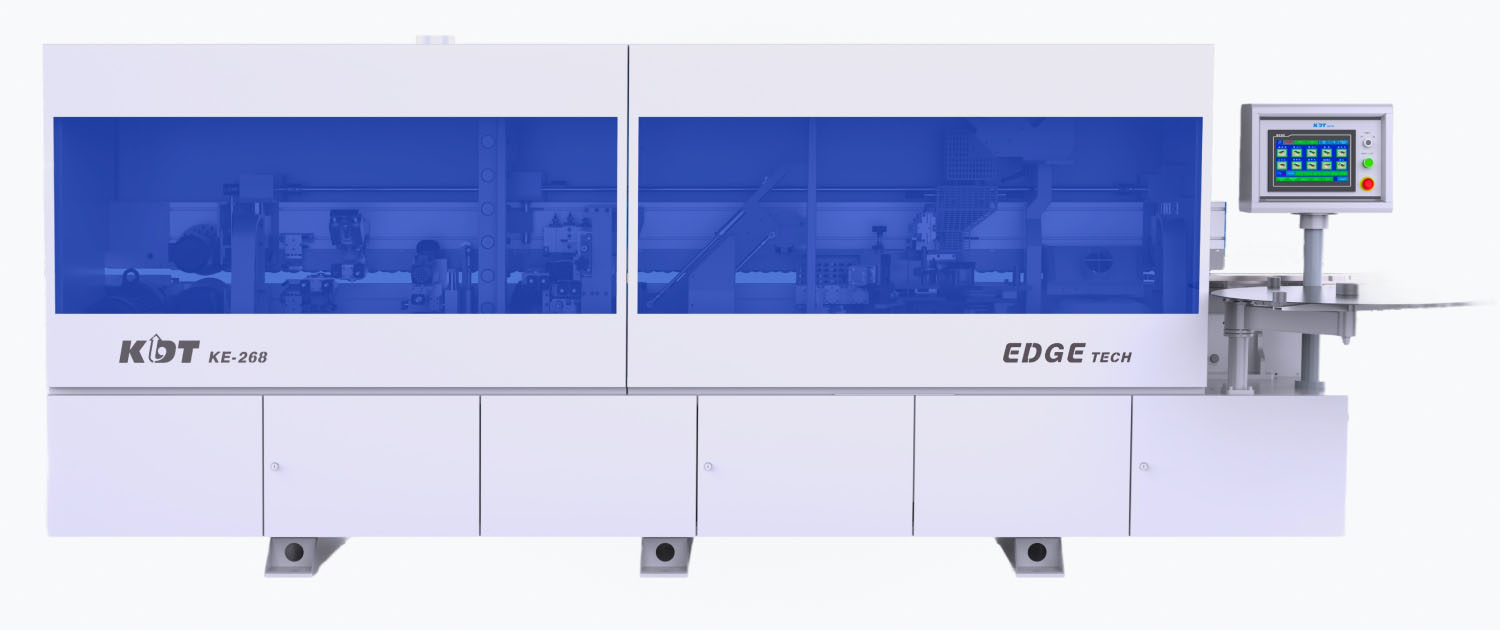
This model comes equipped with everything needed for a full processing cycle:
- Pre-milling of the edge
- Pressure unit
- End trimming
- Removing edge overhangs
- Corner rounding
- Profile scraper (radius)
- Flat line scraper (glue)
- Polishing
And despite this complete configuration, the machine's dimensions are only 4230 mm in length and 830 mm in width, making it a unique offering on the market. Machines in this size class typically provide only a partial processing cycle and fall far behind the KE-268JSA in terms of both functionality and productivity.
So, let's summarize:
If you don't plan to work with curved workpieces in your furniture production, then — despite the higher cost — we recommend investing in an edgebander. It will save you a significant amount of time, which ultimately means saving money.
If you do plan to work with curved workpieces, then a universal edgebanding machine is your only option. However, as we mentioned earlier, the ideal solution — and our recommendation — is to have both types of machines in your workshop.
Drilling
The final stage of processing is drilling. For small-scale production, this can be a challenge.
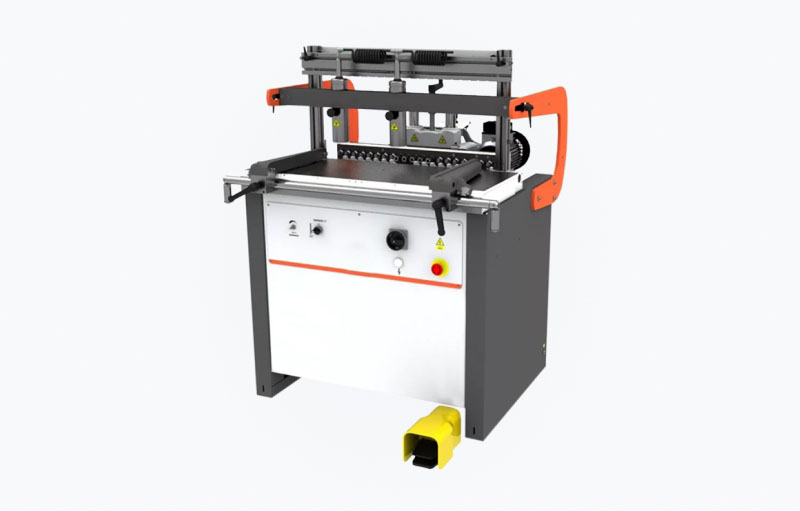
Many manufacturers still perform drilling manually using a template. However, this method does not ensure consistent repeatability or sufficient accuracy — especially when dealing with a large number of holes or in mass production. Even a minor deviation can lead to assembly issues or a disruption in geometry. That's why drilling machines are necessary to maintain stable quality and precision.
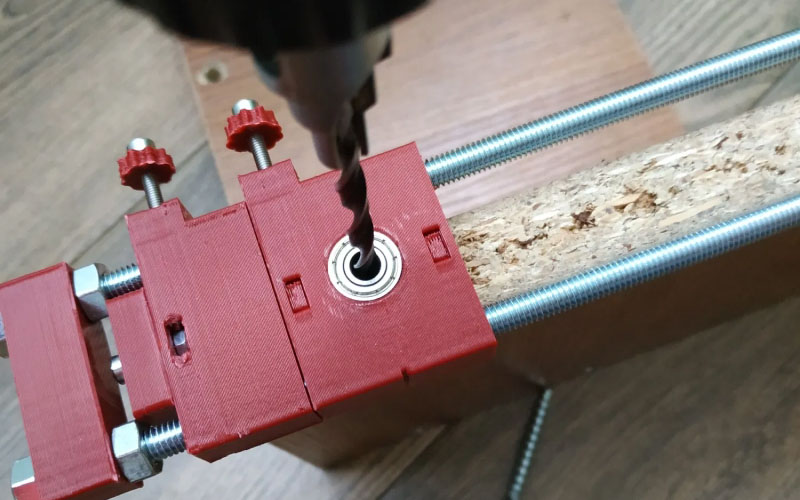
These machines provide significantly better accuracy, repeatability, and productivity. As a result, they are a popular choice for production setups with limited space.
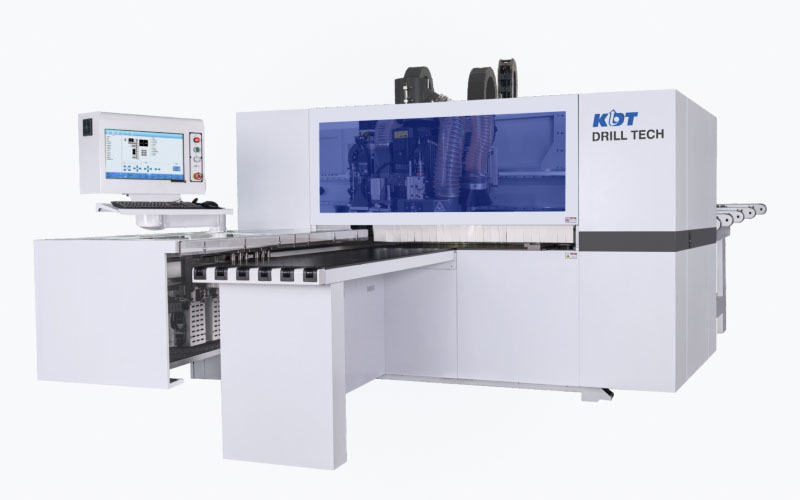
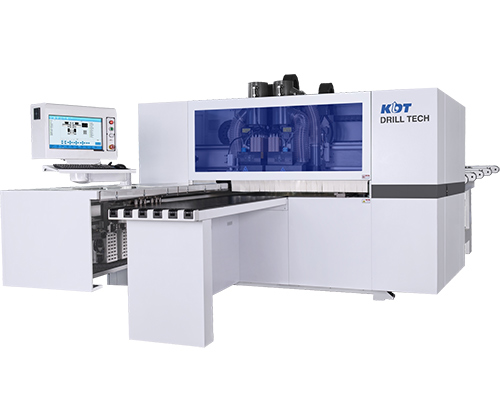
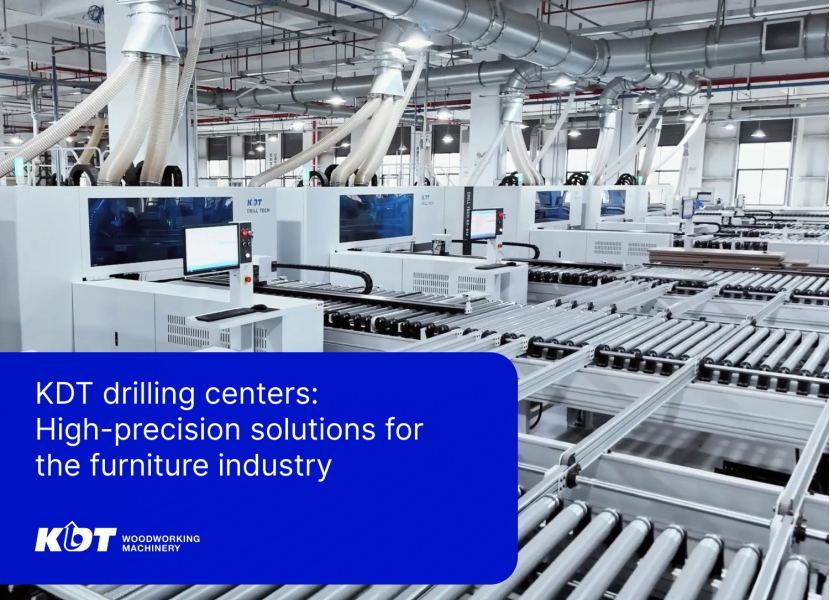
But when talking about drilling operations, we must also mention CNC drilling centers.
In very space-limited workshops, these machines usually are not considered. But if there's enough room and the budget allows, they're absolutely worth it.
There's not much more to say about a CNC drilling center—it does exactly what its name suggests.
Firstly, it virtually eliminates human error during the drilling process and significantly increases productivity.
Secondly, it adds additional capabilities such as grooving and milling, expanding the range of processing options.
Conclusion
For small furniture production, it's essential to carefully select machinery that matches both financial capabilities and production needs. Sliding table saws are affordable but require skilled operators. CNC beam saws are more expensive, but they greatly simplify the workflow and reduce production costs.
When it comes to edgebanding, universal machines are ideal for handling curved workpieces, while edgebanders offer full automation for straight workpieces. Ideally, a workshop should be equipped with both.
CNC drilling centers are expensive and require more space, but their automation significantly boosts productivity and ensures consistent quality and precision.
After carefully weighing all pros and cons, each workshop must decide which machinery best meets its needs. If you have any further questions, feel free to contact our specialists.
You can find full contact details on the page: stancomplect.com/en/contacts-en.





Write a comment