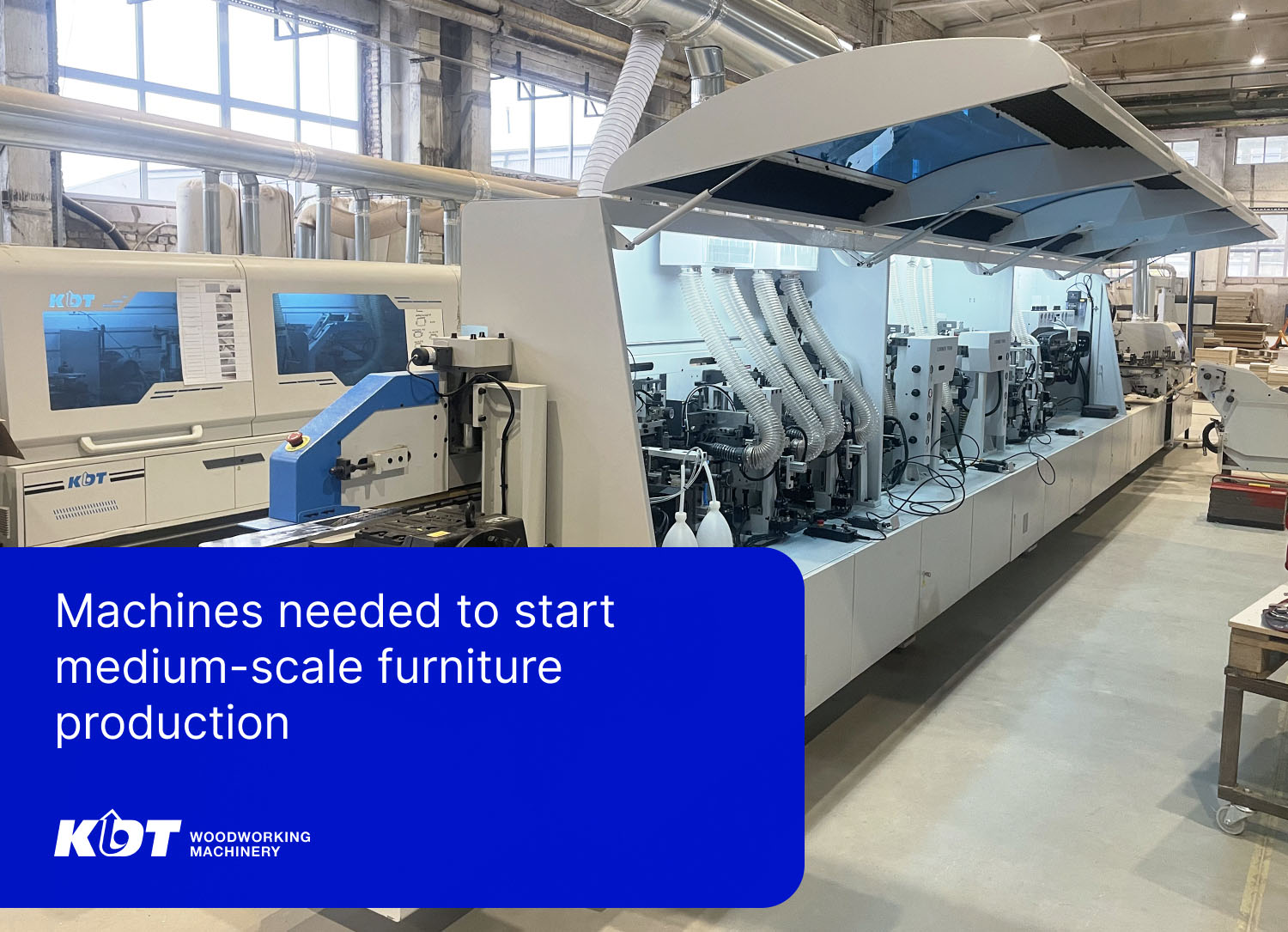
In the previous article, we talked about the machines chosen by small-sized manufacturers. Now it's time to figure out the medium ones. Based on the name, they have larger spaces and are not so limited in budget. That's where we'll start from. Let's begin with the first stage of production - material cutting.
Material cutting
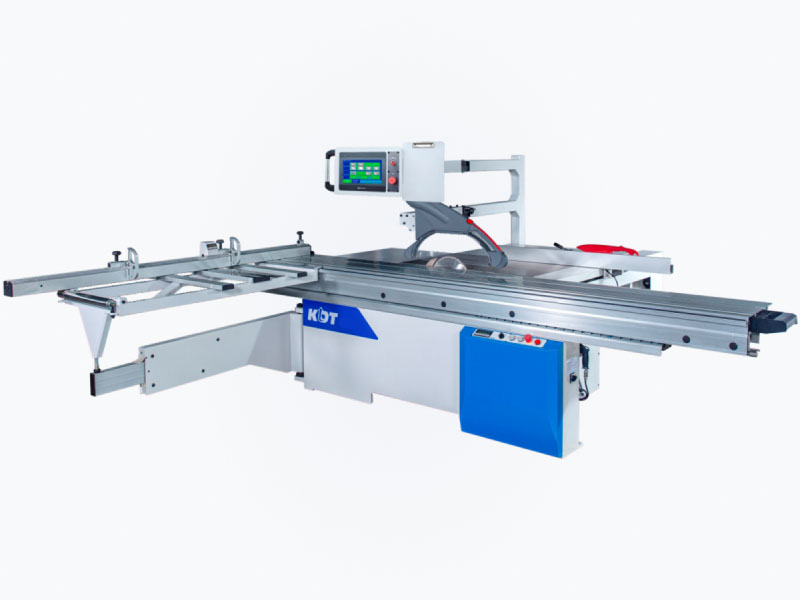
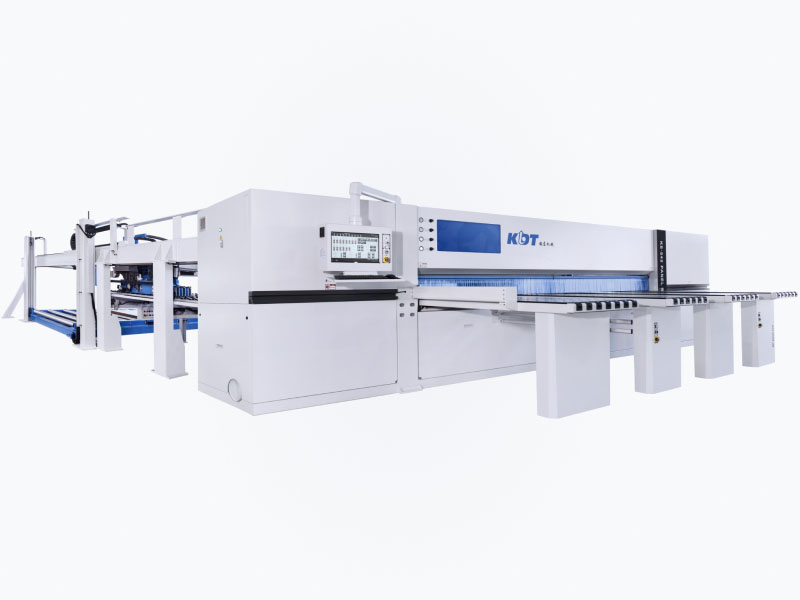
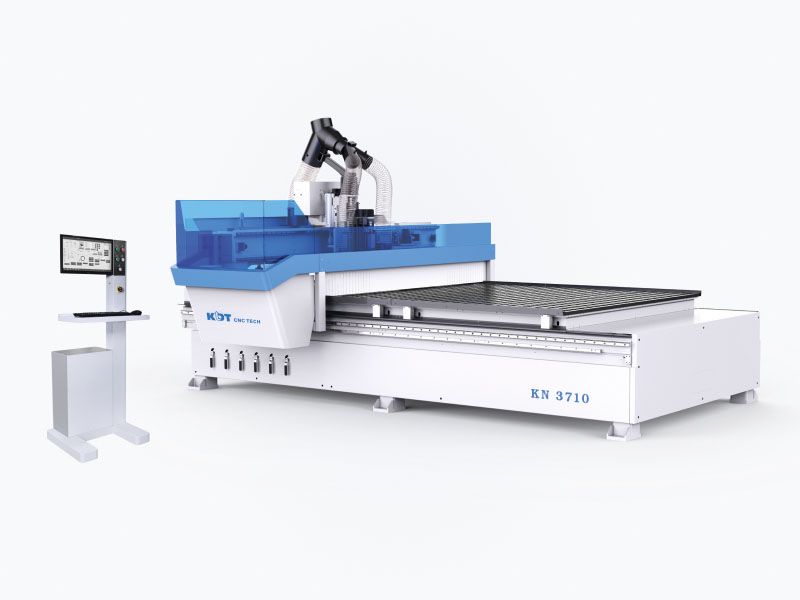
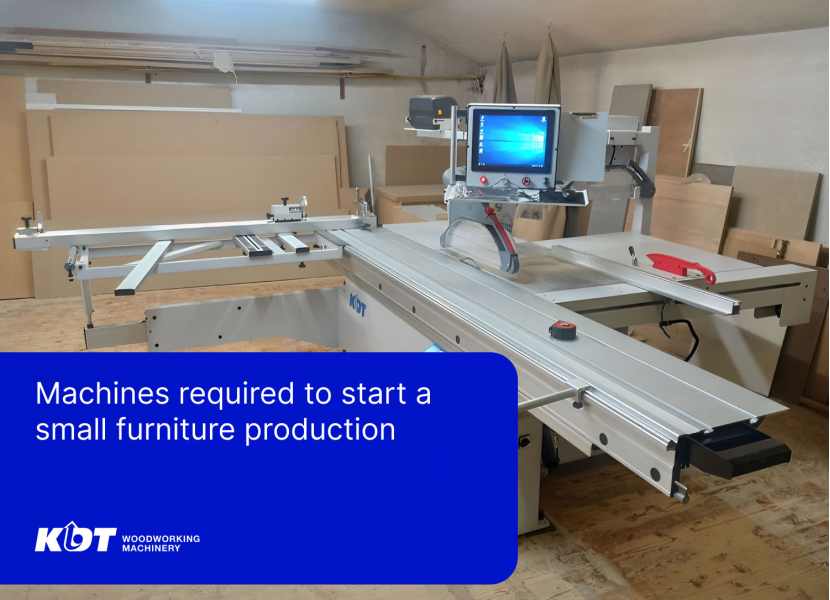
The first difference from small-scale production is the role of the panel saw in the production process. In small-scale manufacturing, it could be the core of the process, but here its role is completely different. This machine is used for cutting workpieces at an angle and producing workpieces with a beveled edge.
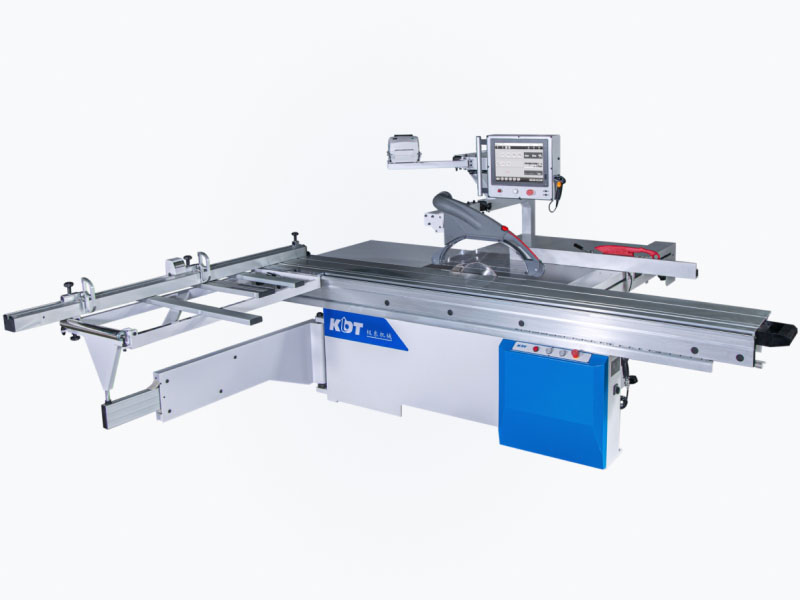
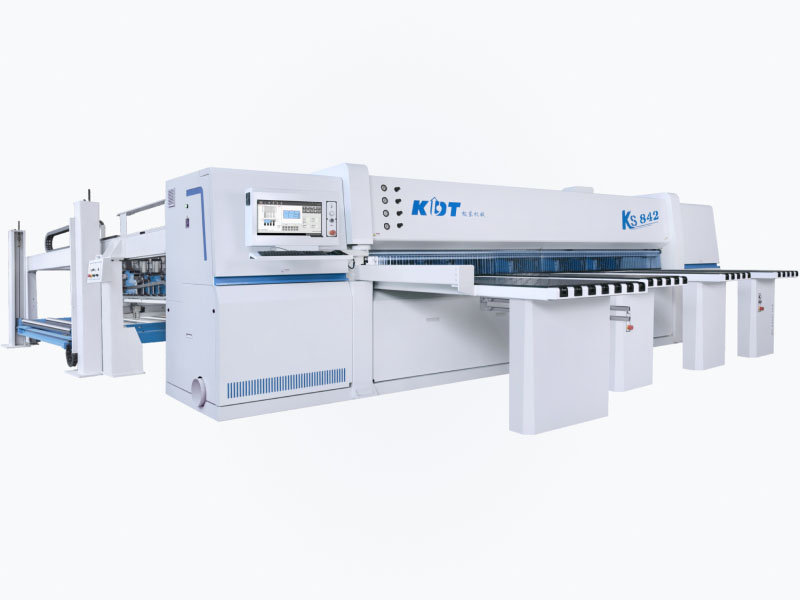
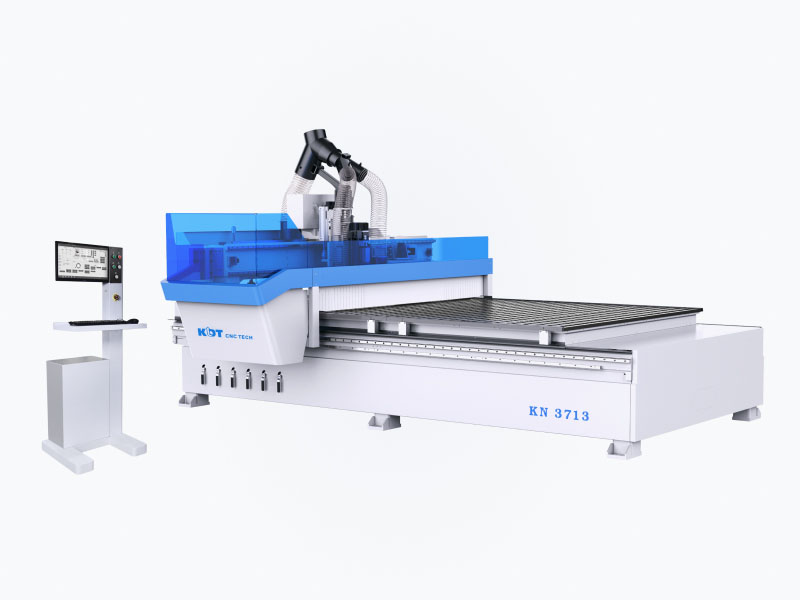
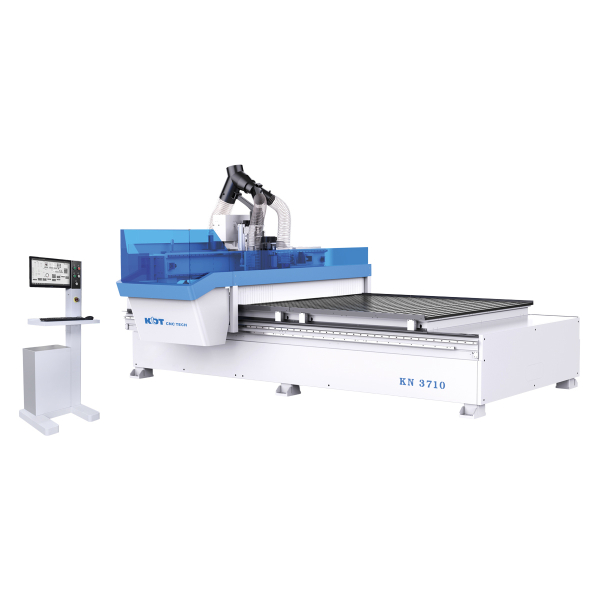
In this type of production, there are two main cutting paths. The first is the CNC cutting center, and the second is the CNC machining center with a flat table. Each of them has different processing principles and therefore must be chosen depending on the production needs. The first performs this operation using a saw blade. The second uses a milling cutter.
The cutting center is a machine with a simple operating principle that specializes in batch cutting from several sheets of material, providing unmatched productivity. Its main advantage is high productivity and cutting precision, which makes it indispensable for serial production. However, compared to the machining center, it is less flexible in processing, allowing only linear workpieces.
In addition, CNC beam saws are equipped with industrial computers, allowing the use of optimization software. Such software automatically generates cutting schemes based on the dimensions of the workpieces and material parameters, minimizing waste and using each sheet as efficiently as possible.
The machining center, on the other hand, specializes in an individual approach to material processing. It can cut only one sheet per cycle, but due to the free movement of the milling cutter along the X, Y, and Z axes, as well as the presence of a tool changer and drilling group, it provides flexibility in machining unmatched by any other cutting machines. The most important part of this flexibility is the ability to simultaneously perform cutting of curvilinear workpieces, drilling, and milling of fronts. This versatility allows the use of specialized optimization programs even more efficiently.
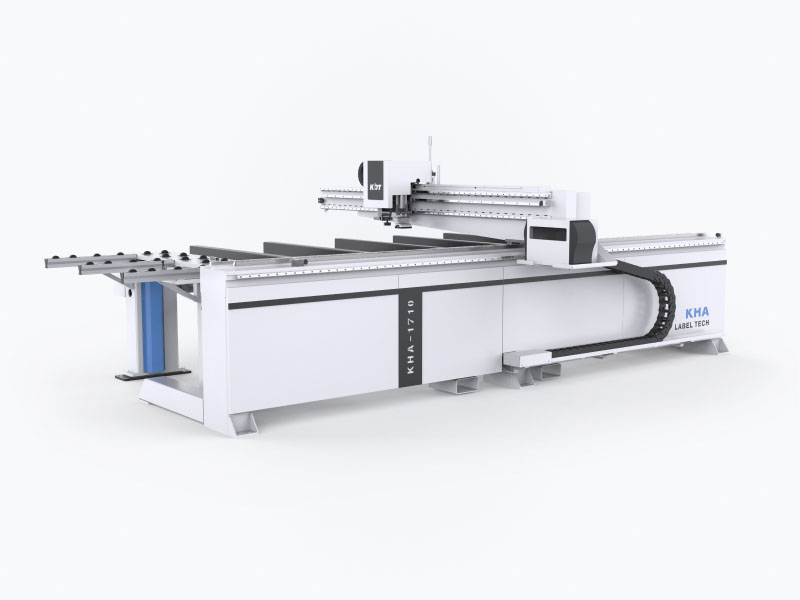
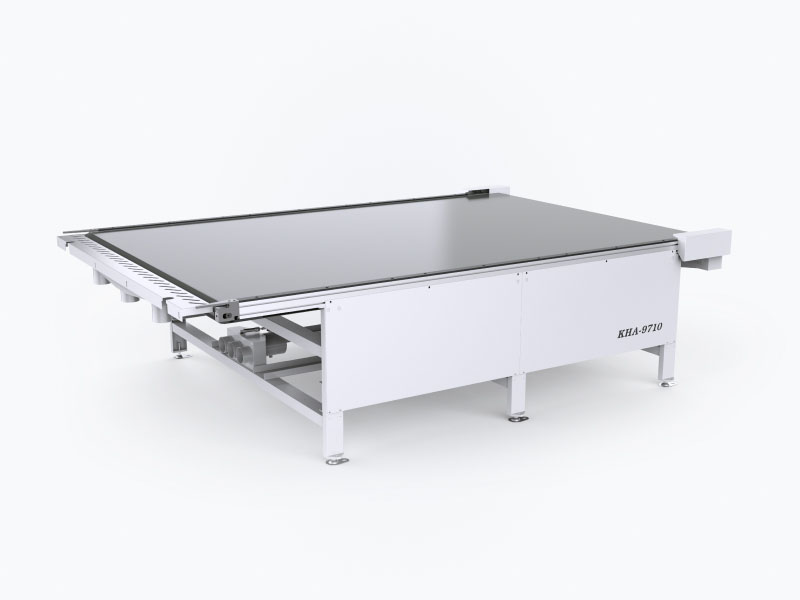
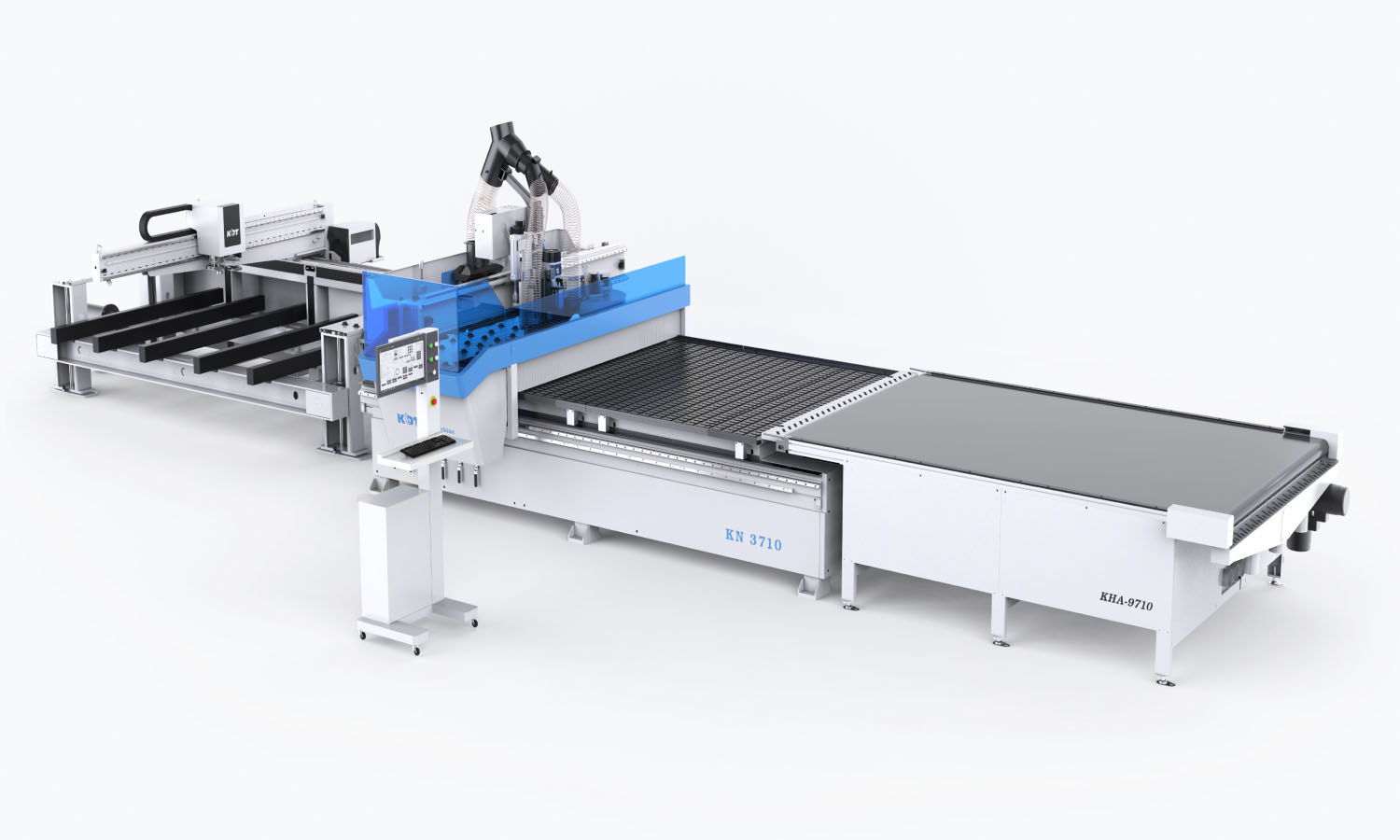
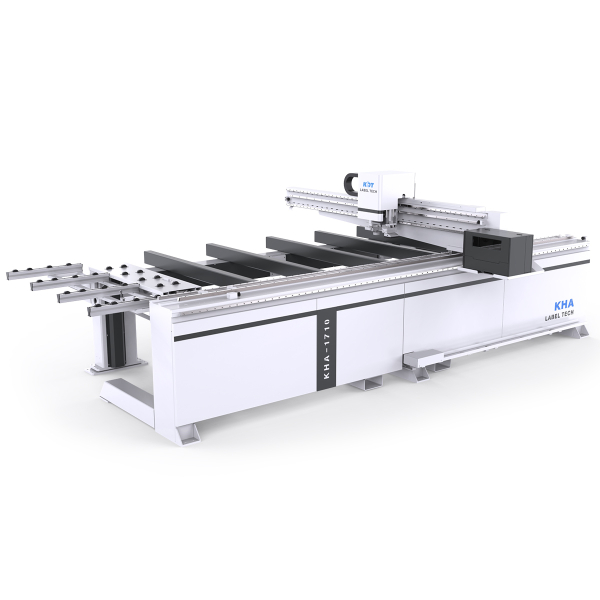
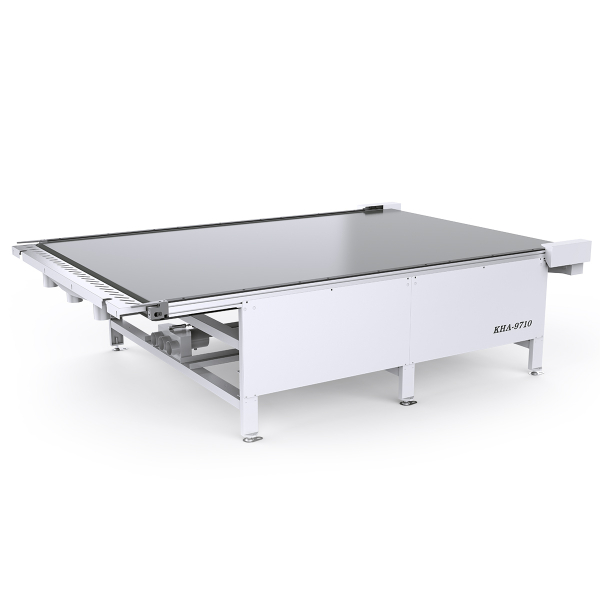
No less advantage is the possibility of automating cutting using the CNC machining center. A stack of material sheets is loaded onto the loading table by a loader. Using the auto-lift function, the table raises the sheet to the working level of the machine. A printer installed on the loader prints labels, which are placed on the material. The use of labels in the further production process allows automatic reconfiguration of machines according to processing programs and keeps track of the workpieces.
From the loading table, using vacuum modules, the sheet with stickers is loaded onto the machine for processing. Simultaneously with cutting, labels are already placed on a new sheet.
Processed workpieces from the machine are moved to the unloading table. With full automation, a special robotic manipulator unloads the products onto a conveyor for further processing. But under medium-scale production conditions, this work is usually manual.
All CNC machining centers in our assortment come in the basic configuration equipped with all necessary components for automation. You can initially purchase the machine and then upgrade it with loading and unloading tables at your convenience.
From the description above, it becomes clear that the cutting center is a priority for purchase in mass production of similar rectangular workpieces. It provides maximum productivity in batch cutting. However, it lacks flexibility when processing workpieces that differ from straight shapes.
In turn, the CNC machining center is distinguished by its flexibility. This is the optimal solution for manufacturers working with custom orders. Each machining center presented in our catalog already comes in the basic configuration equipped with all the components necessary for further automation. Automation equipment for the machine can be purchased separately.
Edgebanding
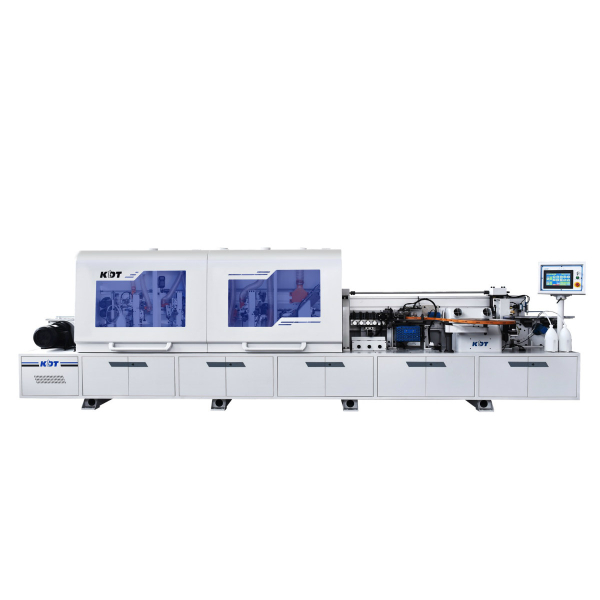
The edgebanding issue from the previous article is no longer relevant. A medium-scale manufacturing enterprise will definitely have both universal edgebanding machine and edgebander.
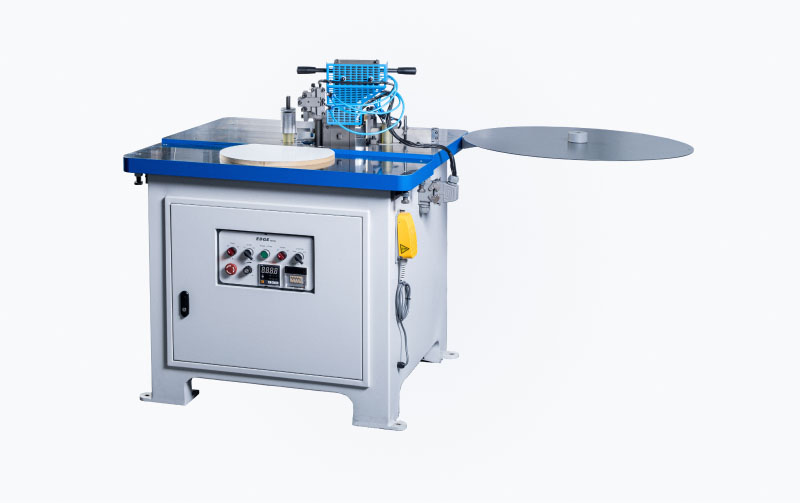
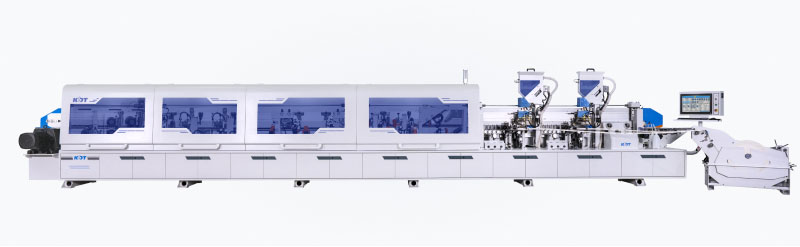
When designing the workshop, a new question arises: which specific edgebander to choose? There is no definitive answer to this. Some focus on the machine's productivity, others on the components it includes. Price and the size of the machine also play a significant role.
Therefore, we will start by analyzing the specifications so you can determine what exactly you need.
The first specification is the productivity of the machine. It consists of three main components: the feed speed of the workpieces, the minimum distance between them during processing, and the length of the machine itself.
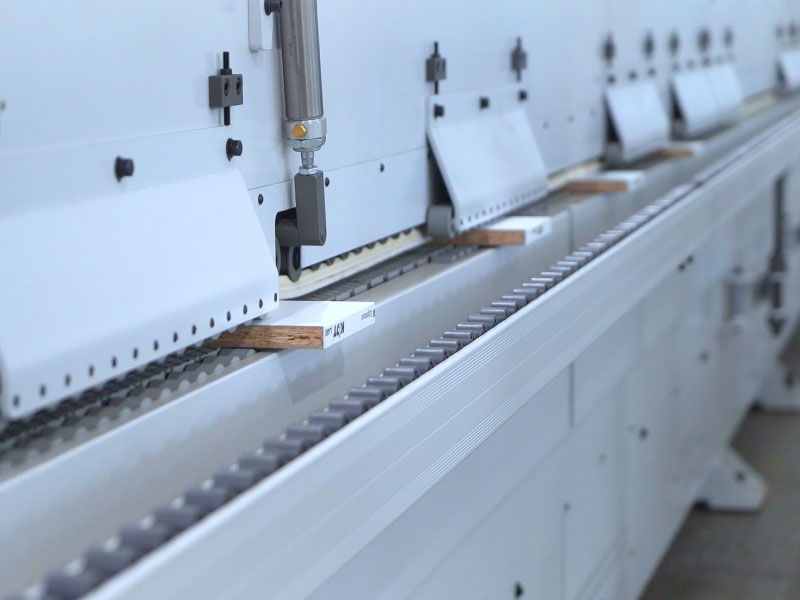
The higher the processing speed, the higher the productivity. The feed speed on our machines ranges from 8 m/s to 42 m/s. The distance between workpieces ranges from 350 mm to 1 m. Naturally, the smaller the distance, the higher the productivity. The last point is the length of the machine itself, which is individual for each model.
On different machines, the minimum part sizes vary greatly. For example: 150x135, 300x45, or even 100x60.
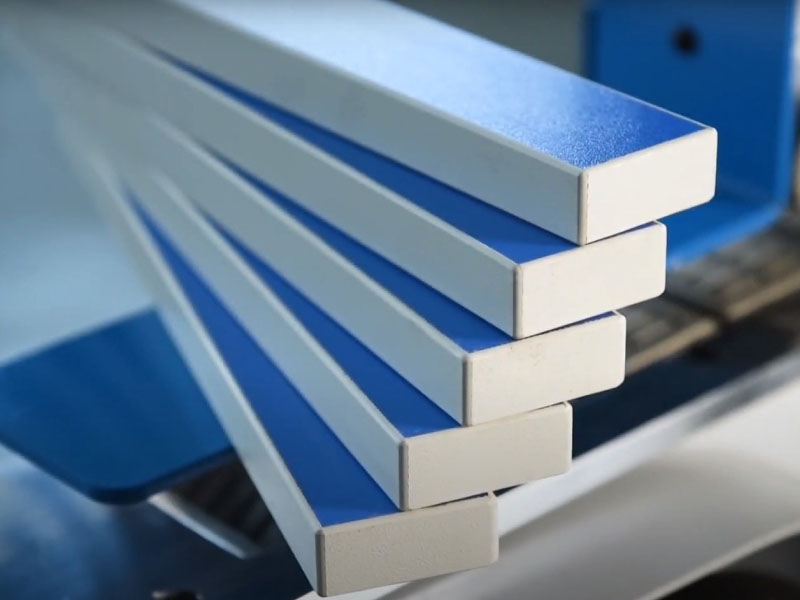
The next equally important parameter is the presence of various machine units, which determine its functional capabilities. So, let's look at these units in the order the workpiece passes through them in the machine.
Application of anti-adhesive fluid
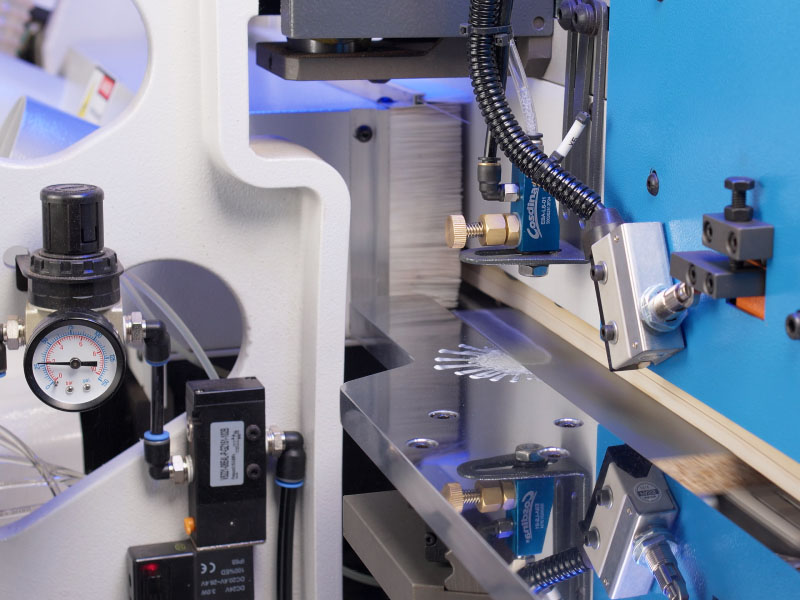
Before processing, an anti-adhesive fluid is applied to the workpiece to prevent glue from sticking to the unprocessed parts of the workpiece.
Pre-milling unit
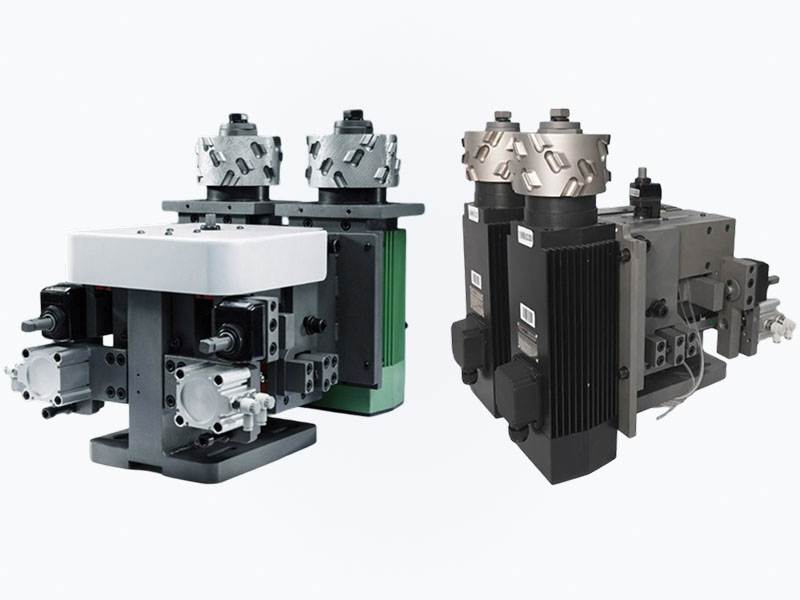
The pre-milling unit is responsible for preliminary edge alignment before edgebanding. It removes minor roughnesses and ensures processing accuracy. An example of such roughnesses can be marks left by the scoring saw blade.
Infrared lamp
An infrared heating lamp is installed before the glue application unit. It heats the edge of the workpiece and evaporates residual moisture, which improves glue adhesion and ensures a more reliable bond between the edge and the workpiece.
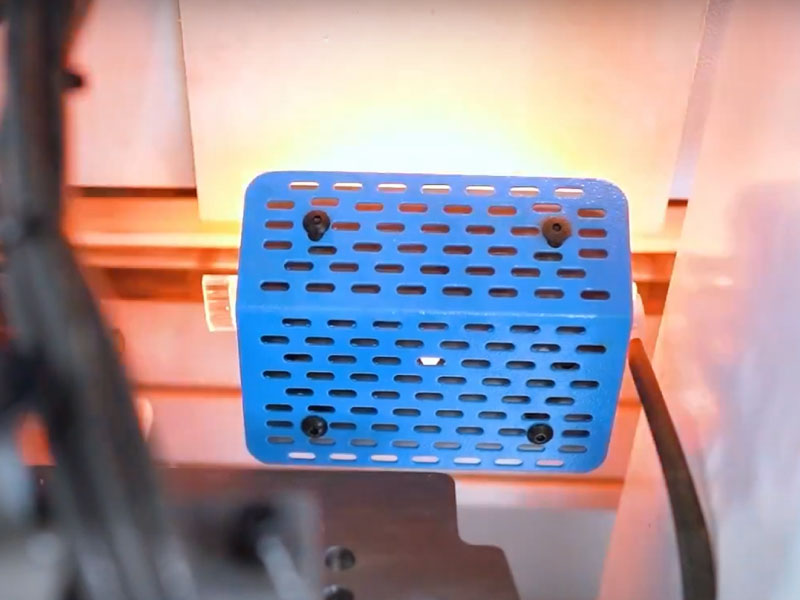
Glue application unit
The glue application unit, depending on the machine's configuration, includes a glue pot, a pre-melting system, and a pressure roller group.
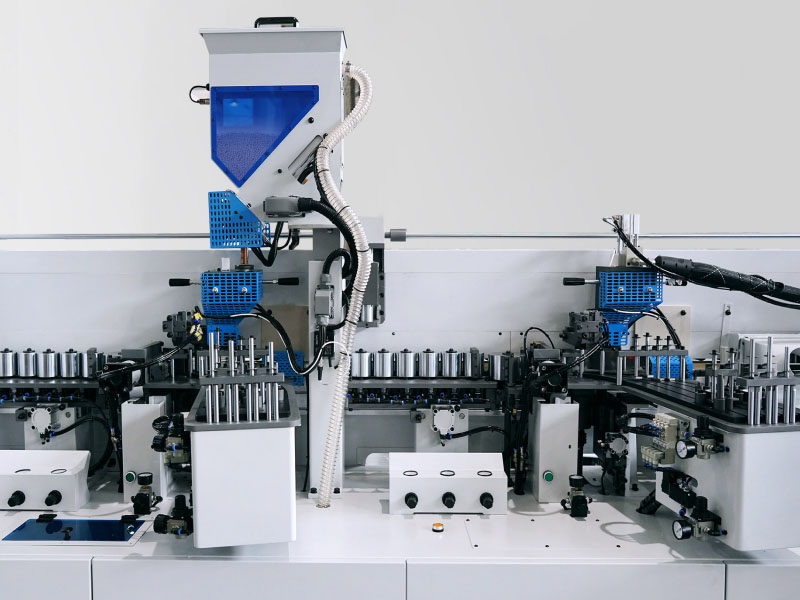
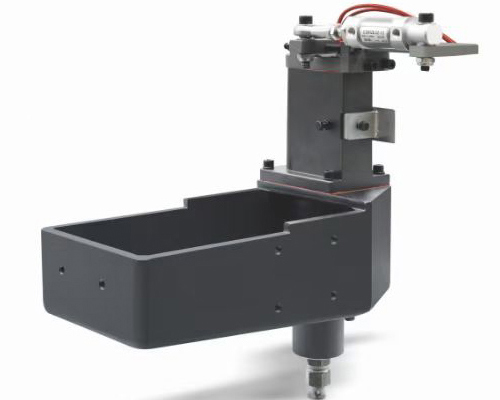
Glue pots on KDT edgebanding machines come in two types: bottom and top. Bottom glue pots are a simpler solution and are designed to work only with EVA glue. Top glue pots can work with both EVA and PUR glues and offer several advantages over bottom ones, including easier maintenance and the ability to quickly switch to another type or color of glue. Due to their quick-change design, it is possible to use the multifunctional KDT 88S station for cleaning and storing glue units.
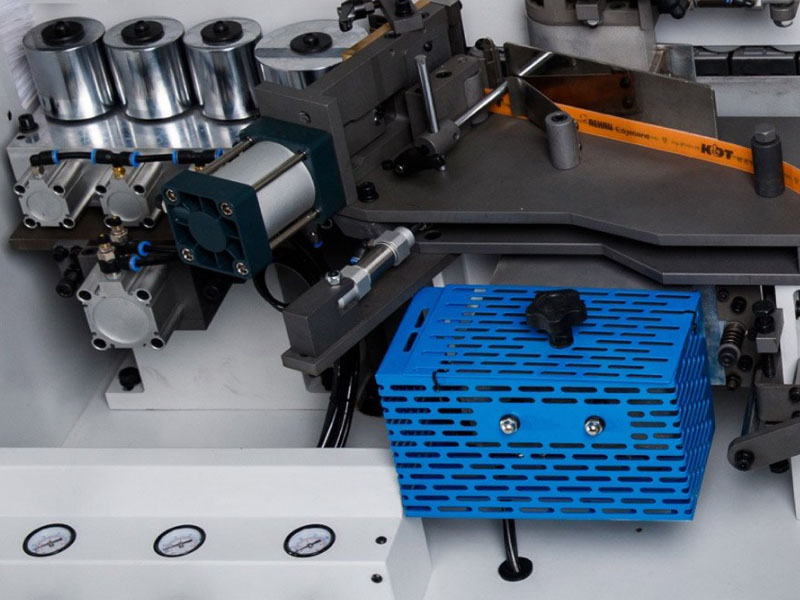
Glue application unit with bottom glue pot on the KE-655JSA machine
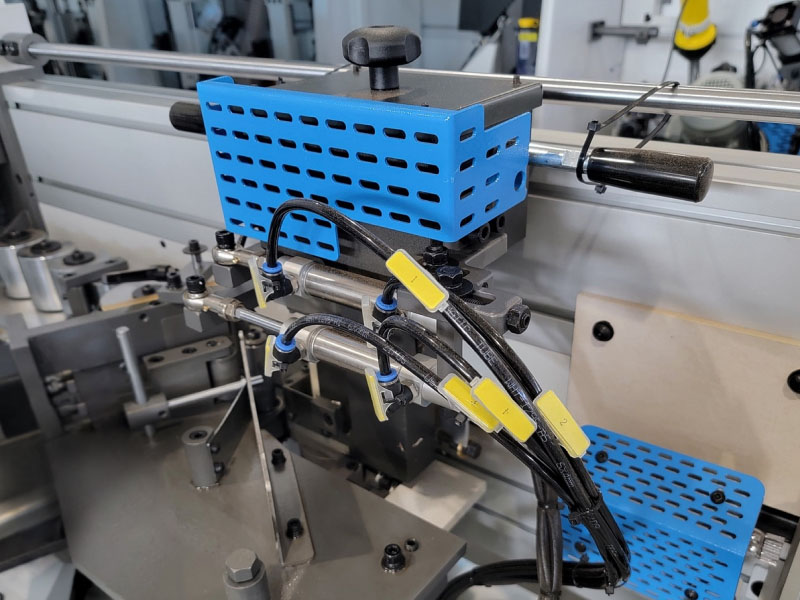
Glue application unit with top quick-change glue pot on the KE-655JSMA machine
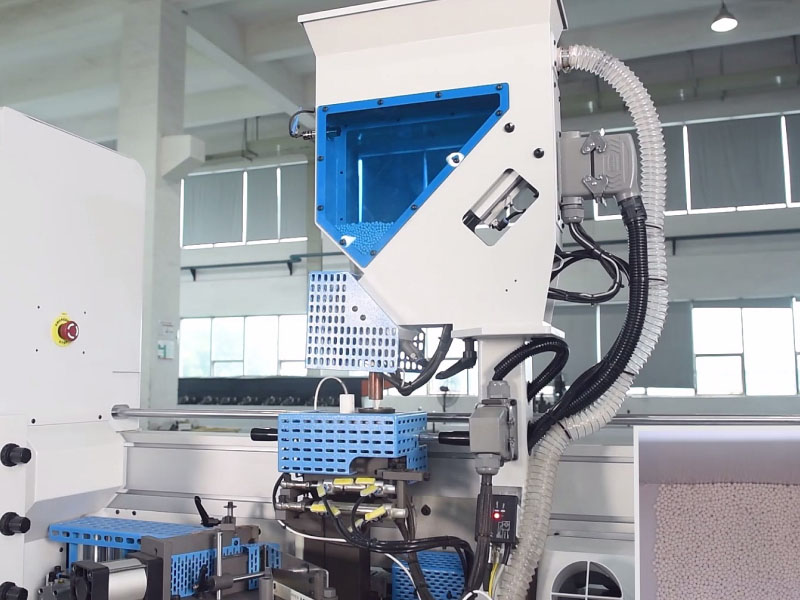
Pre-melting glue system
The pre-melting glue system is installed on machines with a top glue pot. It delivers glue to the pot in measured amounts, preventing overheating and the formation of glue residue.
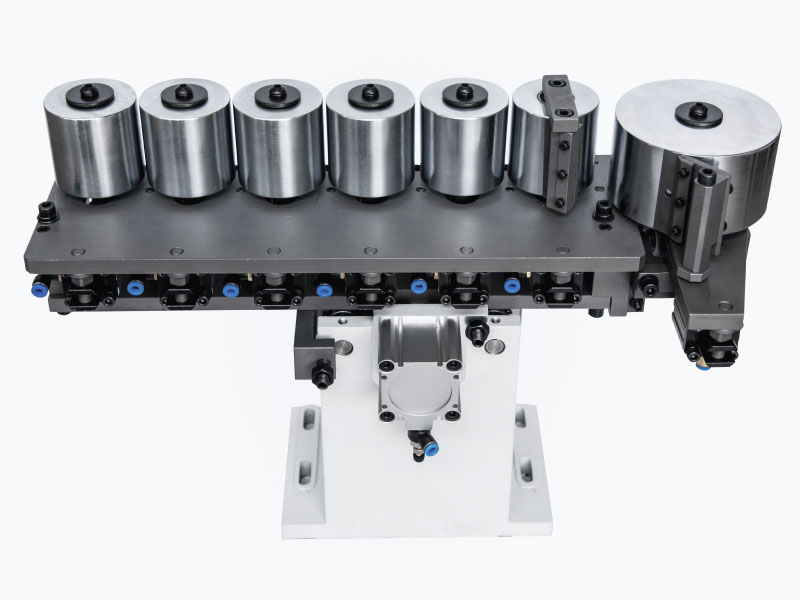
Pressure roller group
The pressure roller group ensures even pressure of the edge to the workpiece after gluing. This is essential for a high-quality bond between the edge and the workpiece.
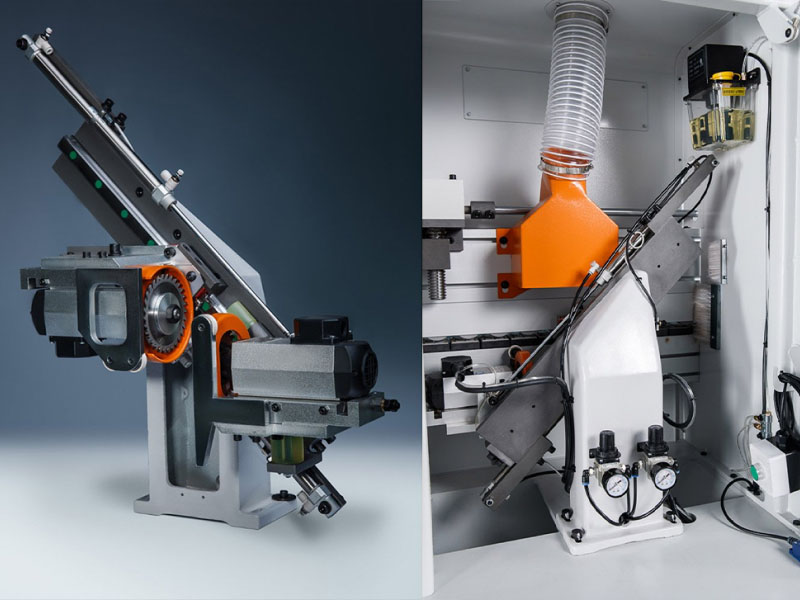
End trimming unit
The end trimming unit cuts the edge at the ends of the workpiece after gluing, ensuring precise and clean trimming.
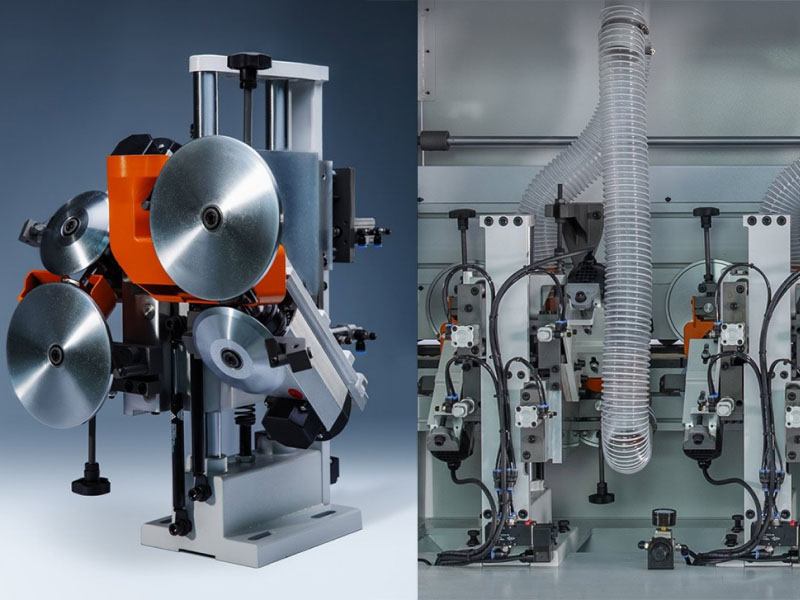
Milling unit
The milling unit removes excess edge material from the top and bottom of the workpiece, creating a perfect joint with the surface.
Corner rounding unit
The corner rounding unit processes the corners of the workpiece according to the set program. Depending on the machine model, the unit may have two or four motors.
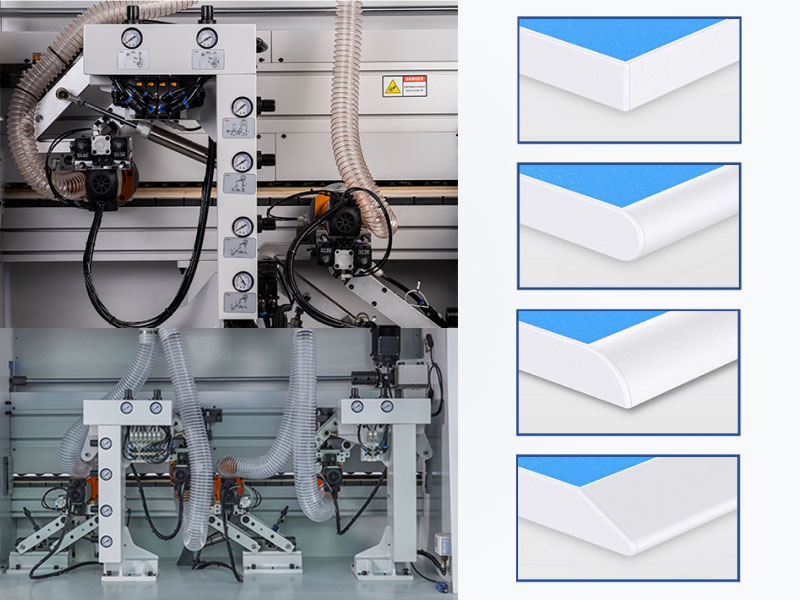
Scraping unit with radius knives
The scraping unit with radius knives removes remaining edge overhangs after milling, giving the edge a finished look with a radius profile.
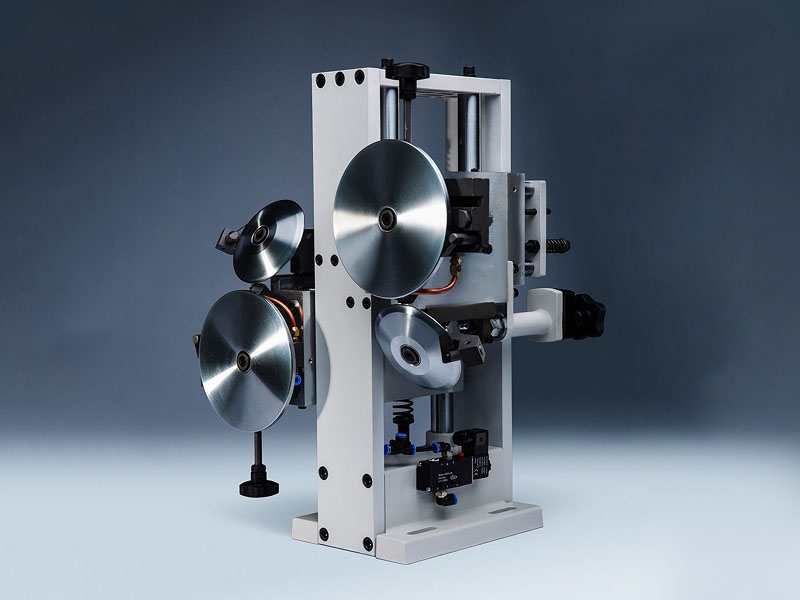
Scraping unit with straight knives
The scraping unit with straight knives performs final leveling and removes remaining edge and glue, giving the workpiece a finished commercial appearance.
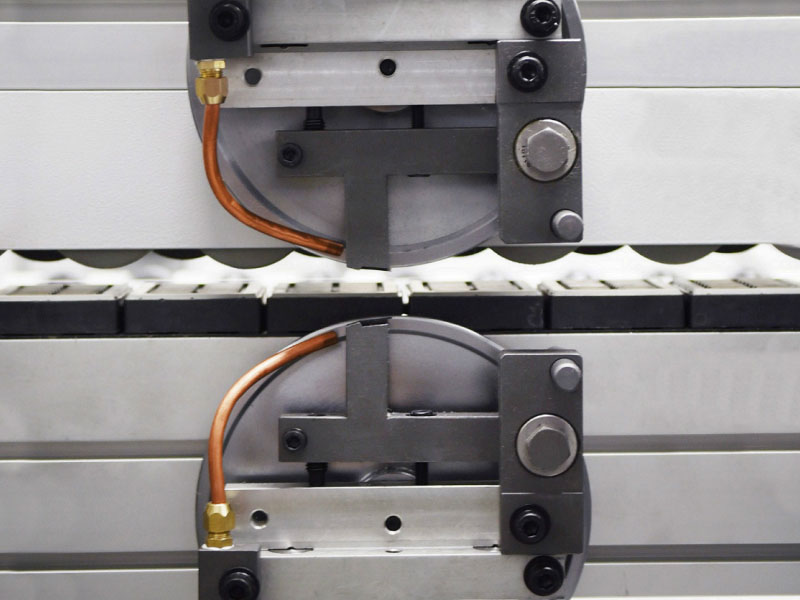
Grooving unit
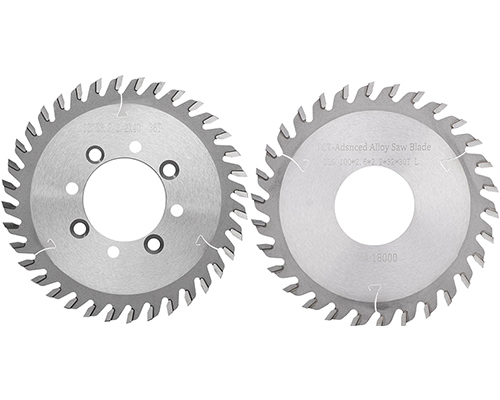
The grooving unit uses a grooving saw blade to create grooves in the workpiece, which may be required for further assembly or joining of elements.
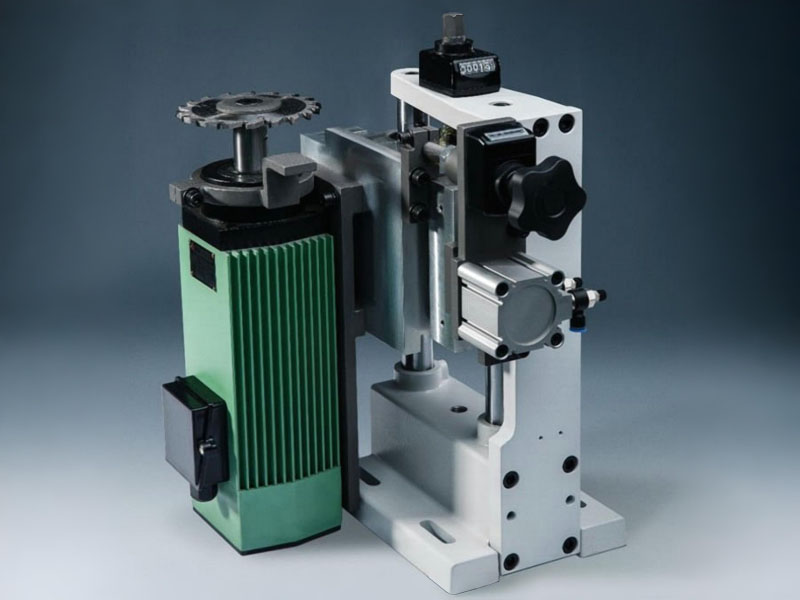
Cleaning liquid application
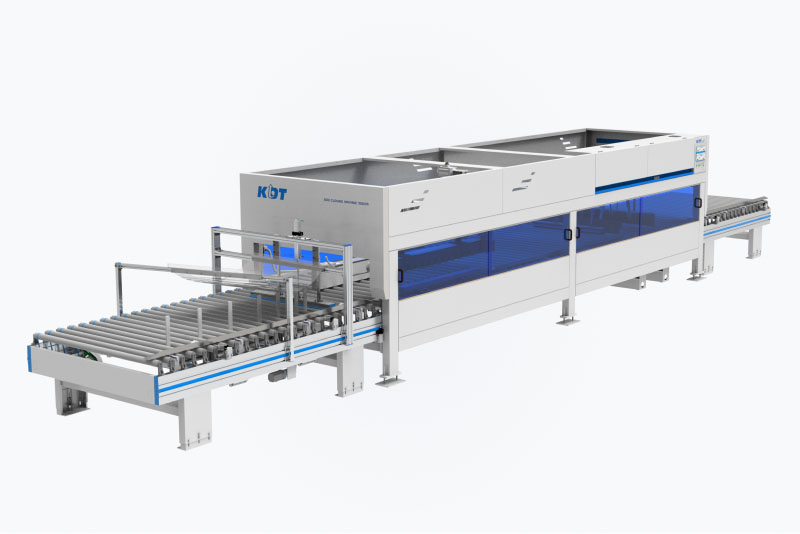
Before polishing, a cleaning liquid is applied to the workpiece to remove any remaining anti-adhesive liquid and glue.
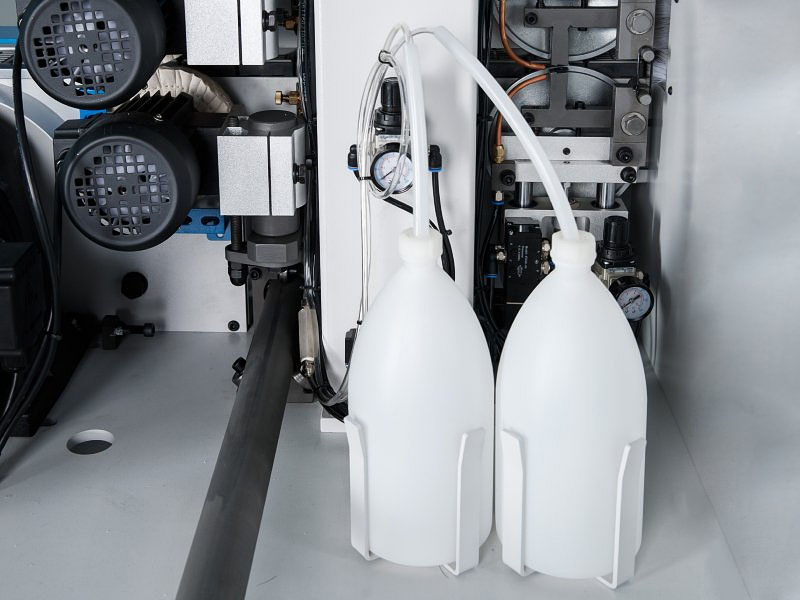
Polishing unit
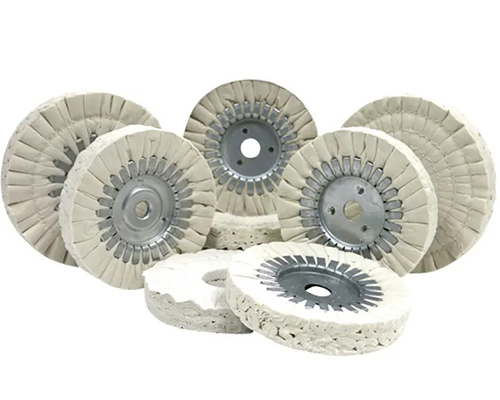
The polishing unit polishes the joint between the workpiece and the edge after processing, ensuring smoothness and shine of the finished product.
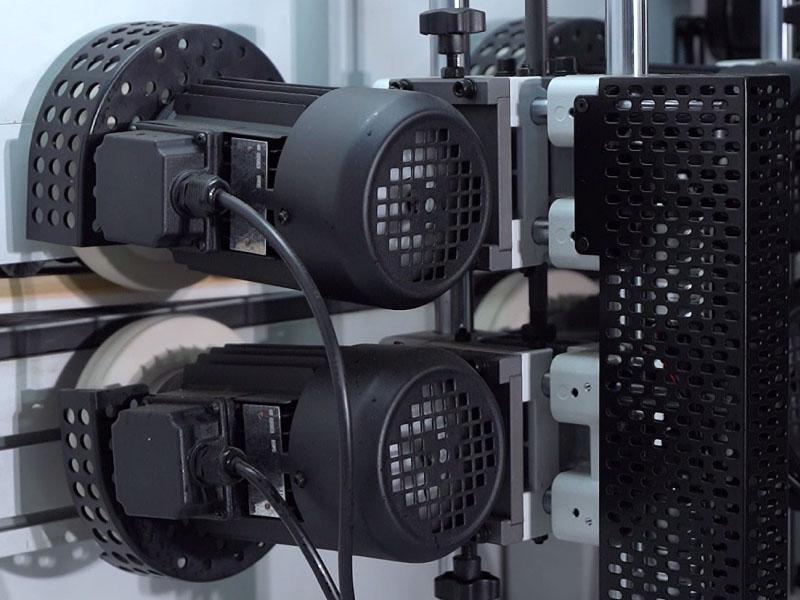
Depending on the machine model, not all units may be present. For example, the grooving unit is available only on models KE-655JHSKA, KE-665JHSKA, KE-496GH and KE-496GHC.
Every production has its unique needs, so if you are unsure which specific machine you require, you can always consult with the specialists at our company.
Drilling
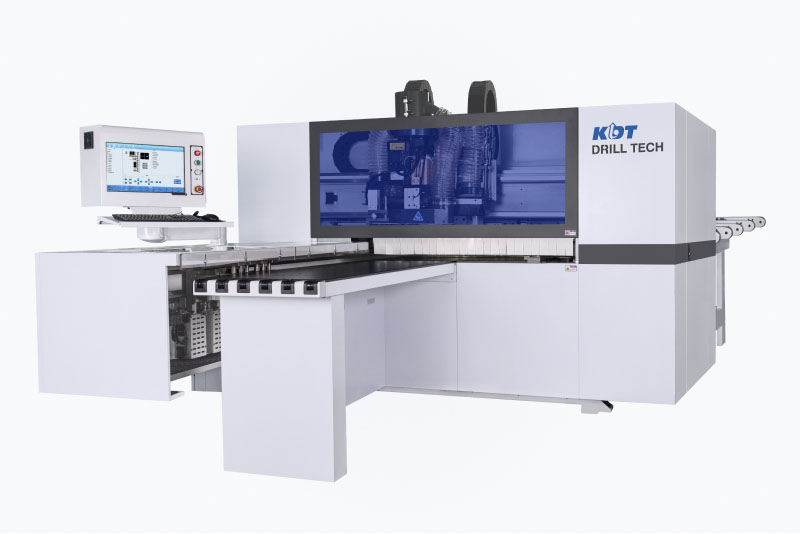
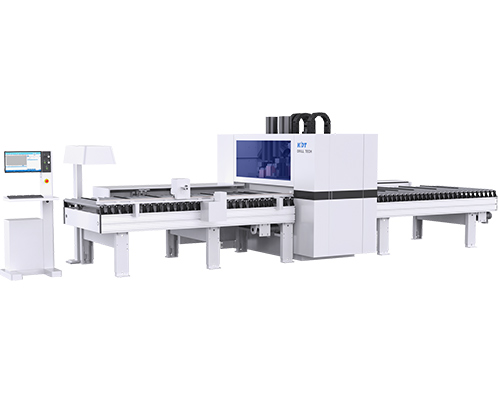
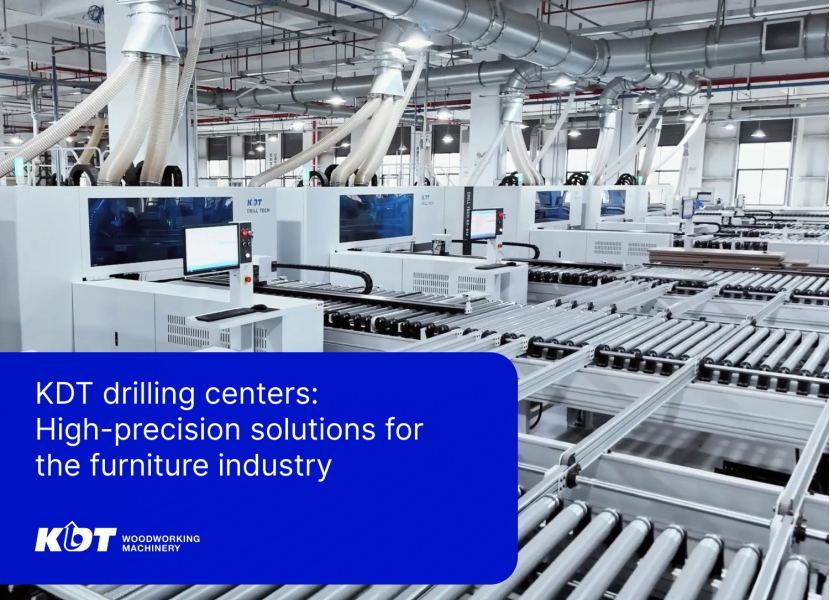
The final stage of processing is drilling holes. For this operation, CNC drilling centers are the most efficient solution, offering precision and speed that cannot be achieved manually.
CNC drilling centers provide versatility. They are perfect for production where frequent reconfiguration is required for different types of workpieces. Due to modern software that allows rapid parameter changes, these machines are ideal for small and medium-sized production volumes. Operators can select programs manually or use an automatic selection system via barcode scanning. Drilling centers are equipped with components such as a milling unit, drilling heads for six-sided machining, and a grooving saw.
Packaging
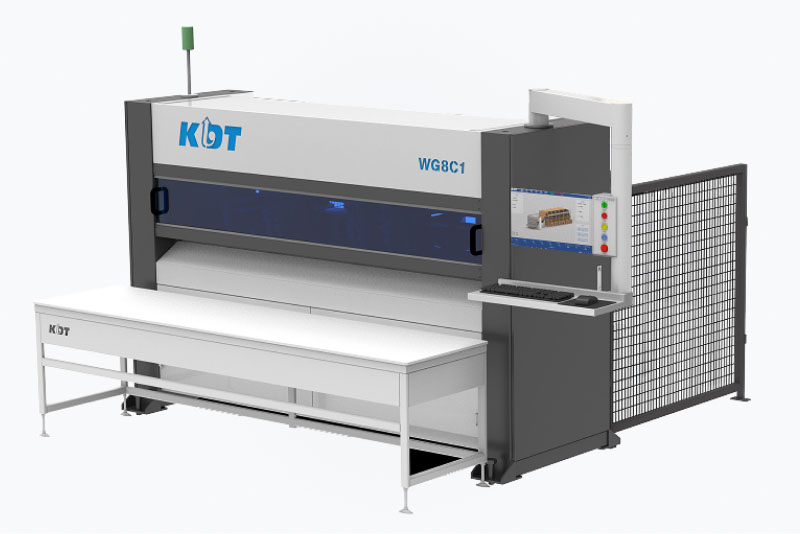
Once the machining of workpiece is complete, packaging becomes the final but crucial step, ensuring product safety during transportation and storage. For small-scale production, using ready-made boxes is often more convenient, saving time and resources on box manufacturing. However, in medium and large-scale operations, specialized machines for independent cardboard box production are increasingly used. This reduces costs and increases flexibility in preparing custom packaging solutions.
We recommend the WG8C1-2400S box-making machine. Dimensions can be entered manually, or automatically retrieved from a measurement station in an automated production line. This machine supports both mass production and single-item box creation. Due to its built-in optimization program, waste is reduced up to 45%. The machine is available in two versions: one for sheet cardboard and another for Z-cardboard.
Another cost-effective solution is the WG8V6 box-gluing machine. By using hot-melt adhesive instead of packing tape, it can reduce packaging costs up to 85%, ensure consistent quality, improve product appearance, and reduce box dimensions. It operates at speeds of up to 8 boxes per minute.
Conclusion
Thus, medium-sized manufacturers have greater flexibility in choosing machinery, due to a broader budget and larger production areas. As discussed, it's essential to select the right machines for different processing stages, taking into account productivity, flexibility, and specific production needs.
The panel saw can play a supporting role, while the main workload in medium-sized operations is handled by cutting centers or CNC machining centers. Each of these options has its advantages, and the choice depends on what the production prioritizes — mass output or customized workpiece machining.
As for edge banding, medium-sized manufacturers typically use both universal edgebanding machines and edgebanders. Their technical specifications — feed speed, distance between workpieces, and the processing units — are key factors when choosing the machinery.
For medium production, drilling operations are efficiently performed only on CNC drilling centers, which combine drilling flexibility with high productivity.
Finally, for packaging, it is advisable to use dedicated machinery for the production and gluing of cardboard boxes, as this helps reduce packaging costs, minimize waste, and provide greater flexibility in packaging types.
We recommend contacting our specialists for a consultation on selecting the most suitable machinery. This will help you consider all the details and ensure maximum production efficiency. Our experts at Stancomplect will provide professional support in choosing the solutions that best meet your requirements.
You can find full contact details on the page: stancomplect.com/en/contacts-en.







Write a comment