In the era of rapid technology development there are three main types of cutting machines:
- Panel saws
- CNC beam saws
- CNC machining centers
Each type has its own advantages and disadvantages.
Panel saws
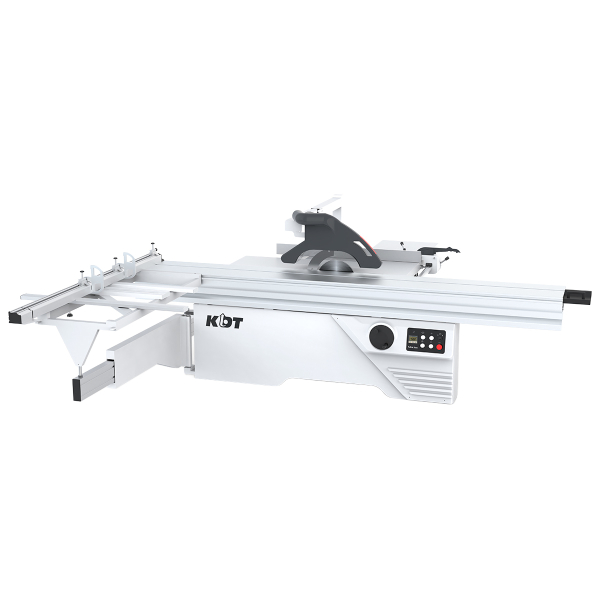
The first industrial machine after manual tools is a panel saw.
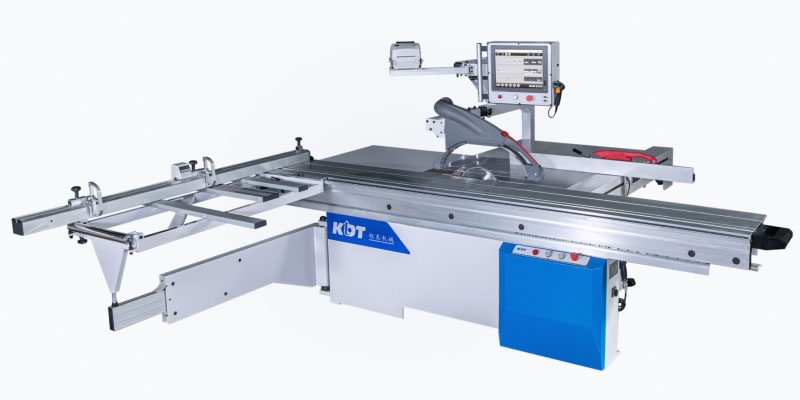
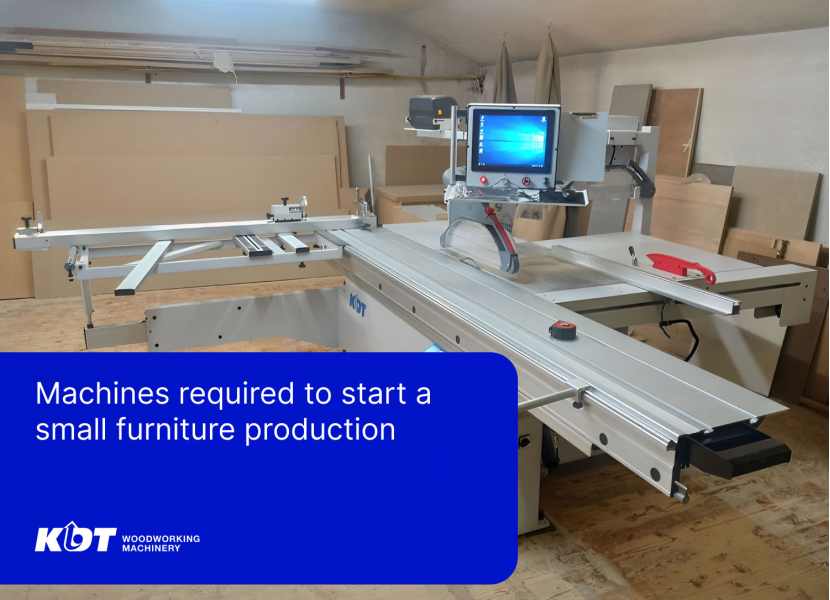
The main advantages are reliability and relatively low price, the ability to cut at different angles and bevel edges, grooving, and various cutting styles, etc.
Among the drawbacks, one should note the strong dependence on the qualification of workers operating the machine. The second disadvantage is the relatively large space required compared to productivity.
Panel saws are an optimal solution for production with limited space. They are used for producing workpieces with non-linear corners. Moreover, they are frequently installed as backup equipment in case of failure of more advanced models.
CNC beam saws
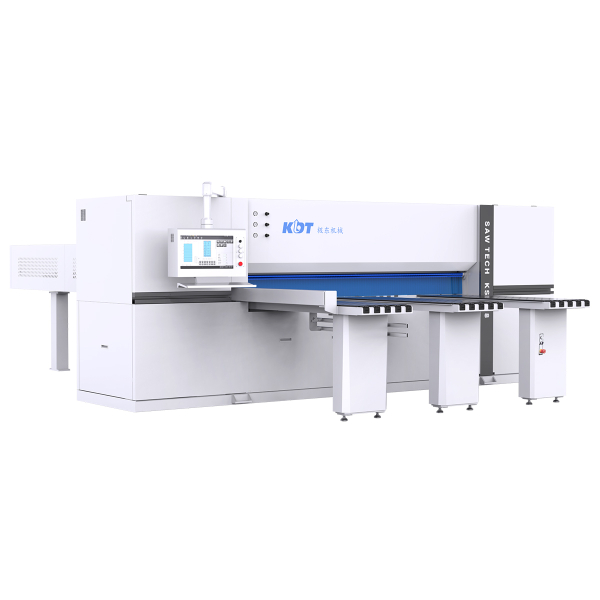
Beam saw is the next level of cutting after panel saw.
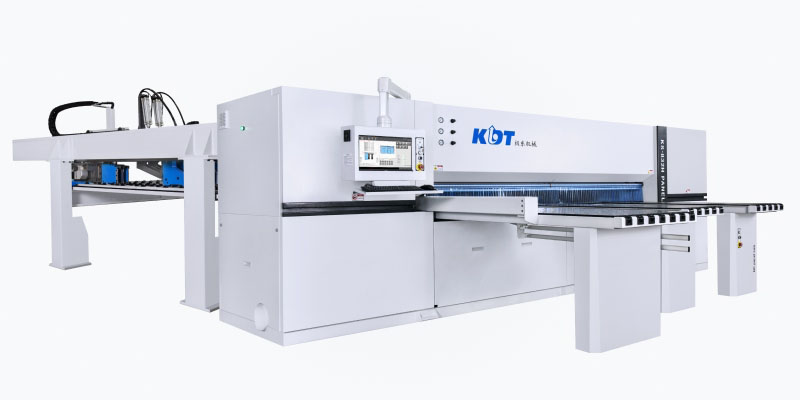
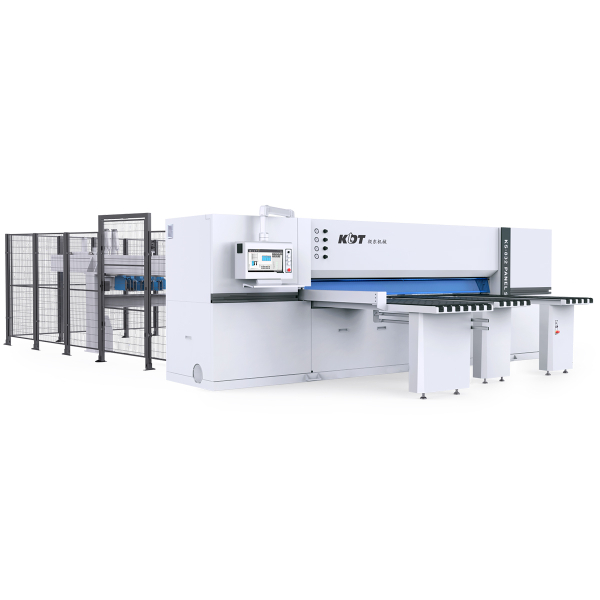
Beam saw provides much higher cutting productivity. In particular, this applies to mass production using stack cutting. Beam saws can cut from 3 to 8 panels, depending on the model and manufacturer. But this is not the only advantage of a beam saw. Even when cutting small series of orders or providing service, when cutting is not used, you get stable cutting quality, consistent dimensions, and precise geometry of workpieces. Thus you may significantly reduce the human factor.
Using cutting optimization software greatly decreases production costs. Simulation simplifies the worker’s job. The screen displays workpieces ready to be sent to the cutting station.
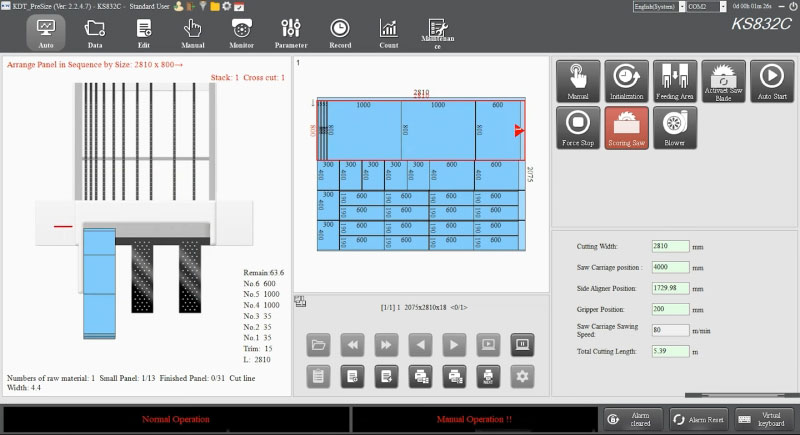
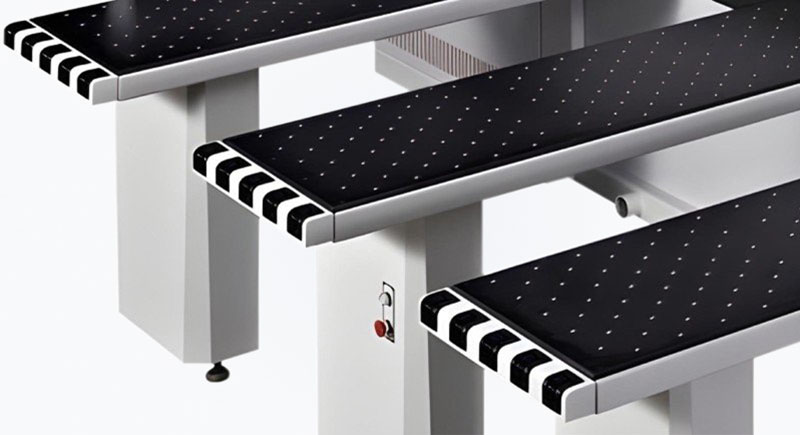
An air-blow system is installed on worktables and in the cutting area, ensuring workpiece security and easier movement.
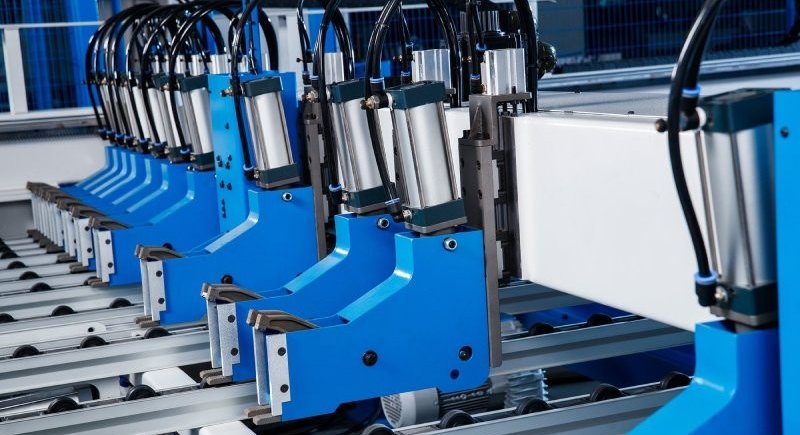
Geometry and speed stability is ensured by a pusher with a two-finger clamp system, which firmly secures the material. High movement speed of up to 95 m/min provides the highest productivity.
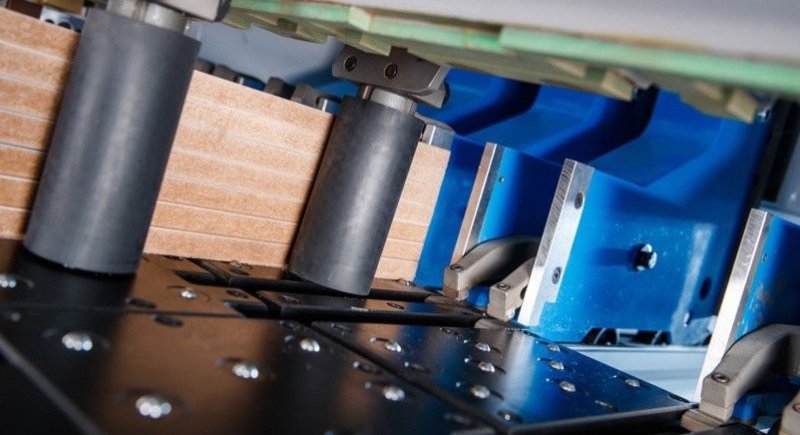
A side aligner ensures strong fixation when cutting strips, pressing strips to the line.
This machine is perfect for the mass production of identical items and significantly improves cutting quality and workpiece geometry, while greatly reducing human factor.
Flat table CNC machining center
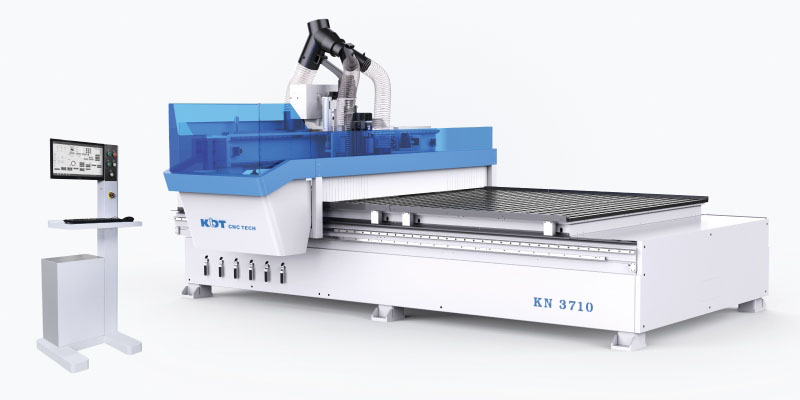
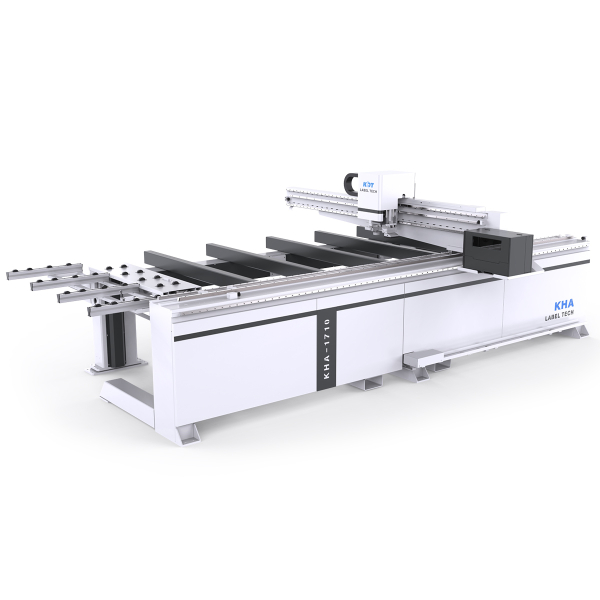
The last type of cutting machines are flat table CNC machining centers. They operate with fundamentally different technology, using cutters for sizing operations. This ensures machining flexibility that is unachievable with traditional cutting by saws, allowing the creation of curvilinear workpieces and performing face drilling.
Another feature is the ability to fully automate the cutting process: from material loading to finished piece unloading, which significantly increases productivity, manufacturing accuracy, and staff workload.
A stack of panels is loaded onto the KHA-1710TS loading table. The automatic lift function allows lifting the material up to the machine’s working surface using the optical sensor. The label printer, installed on the loading table, places info-labels on the future workpieces’ slots. Machining programs are loaded onto many machines using the label scanner.
From the loading table, the labeled panel is moved by the special vacuum manipulator to the machining unit and positioned by the aligner system. During the cutting process, the new panel is already being labeled.
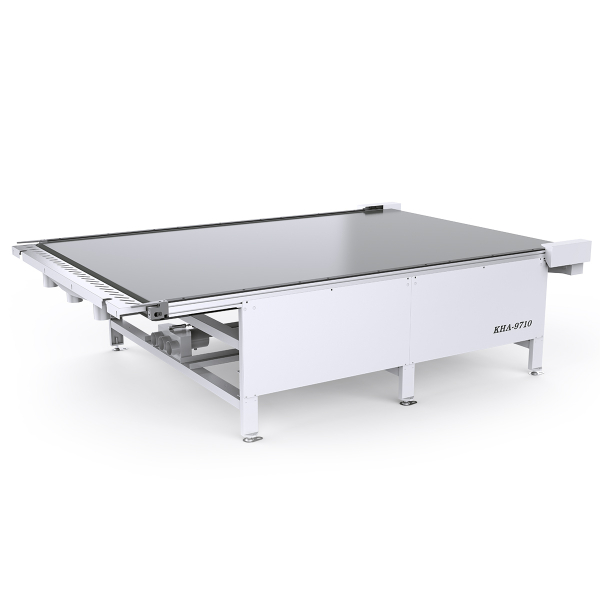
Next, finished workpieces move to the KHA-9710 unloading table. There, they may be unloaded manually or by the robotic vacuum manipulator. Automatic sawdust removal is carried out while the workpieces move to the unloading table.
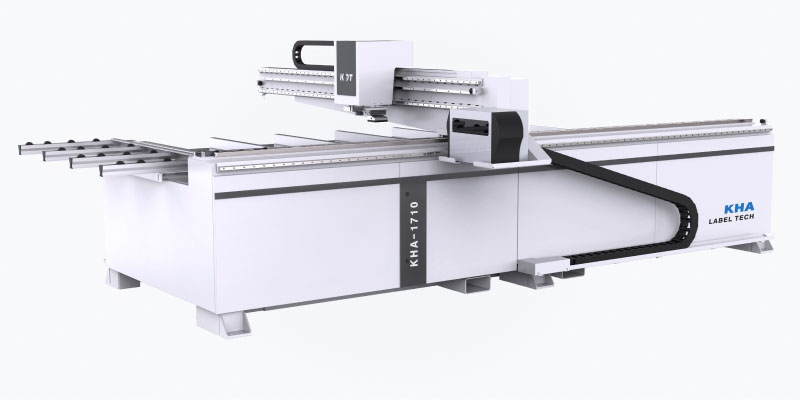
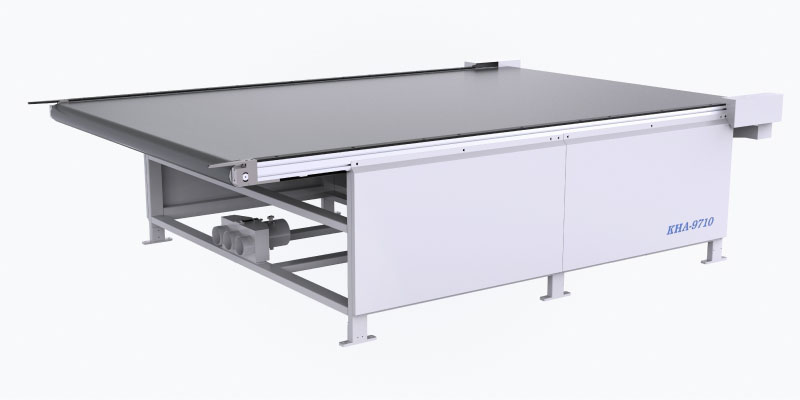
The main drawbacks of the machine are lower productivity and a higher price of single panel cutting compared to a beam saw. This is conditioned by several factors, such as the difference between saw and cutter costs, the lesser durability of the second one, and the ability to operate only with one panel, etc.
Conclusion
To sum it up, panel saws are used for production with limited space and as a temporary substitute in case of a more technological machine failure. Beam saws are suitable for mass production of identical items at high speed. While machining centers are the most flexible and are used for individual orders’ production.
You may also learn more about machines from our video reviews:
Overview KDT KS 132PV sliding table saw with servo drive
KDT KS-132C sliding table saw | updated configuration
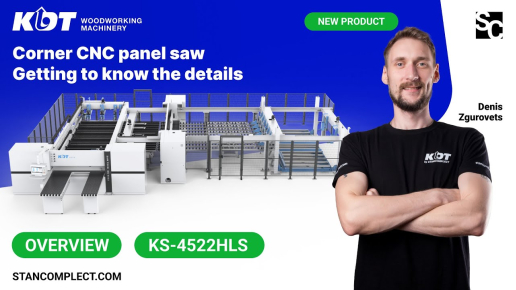
What should you know. The new KDT KS-4522HLS corner CNC panel saw
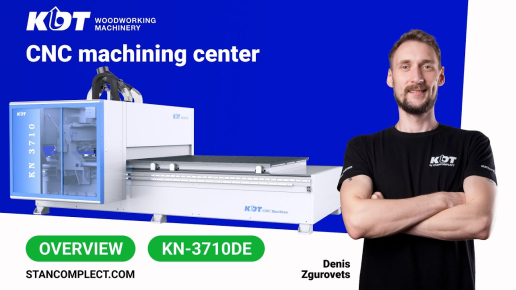
CNC machining center KDT KN-3710DE: Discover a new level of cutting quality




Write a comment