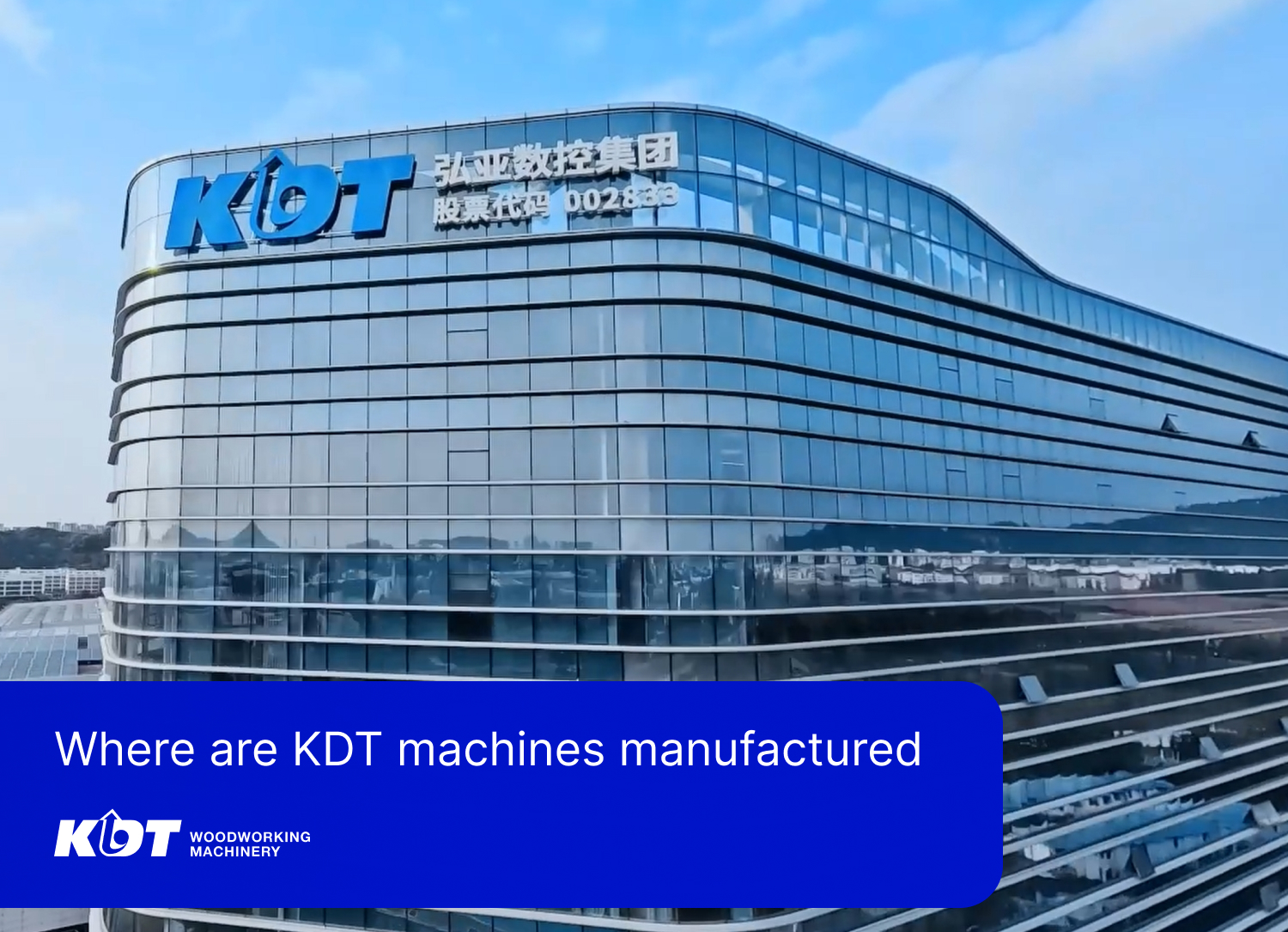
Today KDT is one of the leading manufacturers of woodworking machinery in East Asia, serving as a true symbol of quality and innovation. The company’s products are represented on all continents except Antarctica. They can be found from the sunny shores of Japan and Australia to the heart of Europe, including Germany and the United Kingdom. More than 70 countries worldwide have KDT representatives and partners.

Currently, five KDT factories are operating in China, occupying a total area of 363,000 m². The production expansion in 2021 increased the output of various machinery by more than 50%, further strengthening the company’s status as a leading manufacturer in its region.
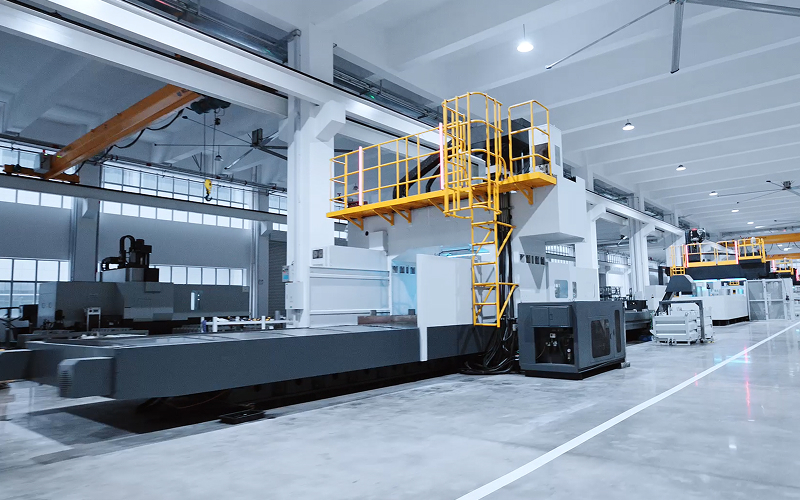
The main production facility is located in China’s industrial hub, the city of Guangzhou. It combines modern technologies with an innovative approach. Automated lines perform all stages of manufacturing, including welding, drilling, bending, and more. Robots ensure the highest level of quality for finished machines. Every KDT product is certified and complies with EU requirements.
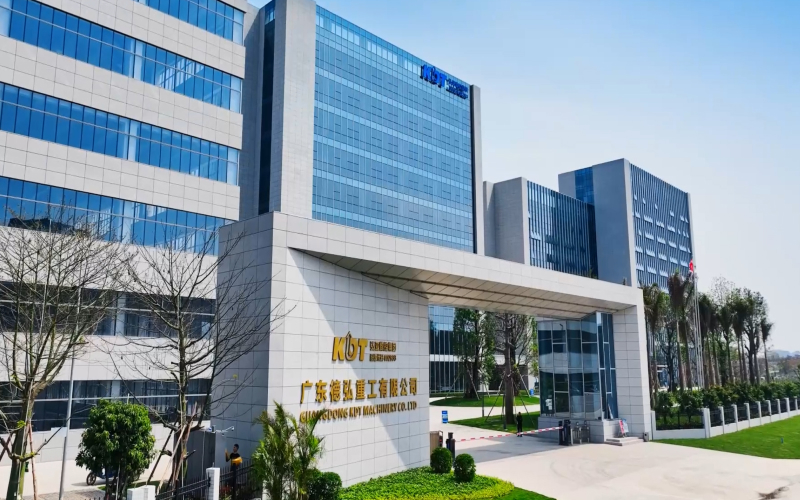
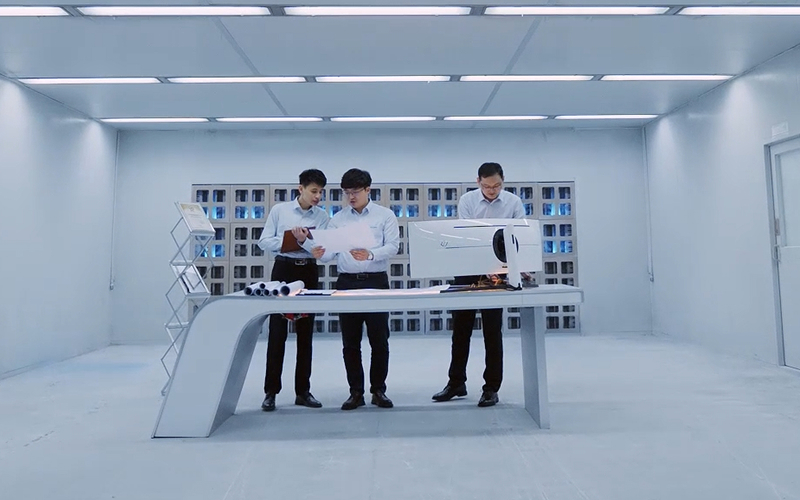
With a remarkable industrial park, the company does not neglect investments in research and development. These efforts are delivering results: to date, more than 50 unique devices, software solutions, and other inventions have been patented.
However, in order to achieve even greater results and improve its products, the company also adopts experience from other manufacturers. That is why more than 100 patent licenses have currently been implemented.
The foundation of any industrial machine is its frame. It ensures structural rigidity and dampens vibrations. Therefore, special attention is paid to it during manufacturing.
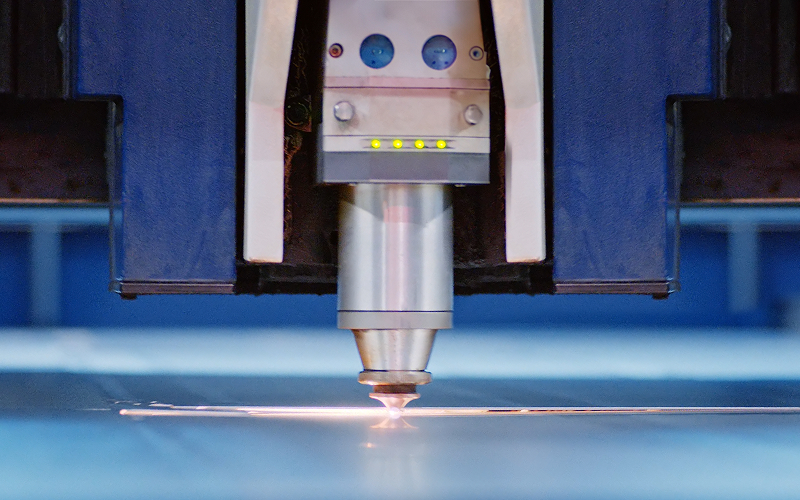
The production of the machine bed begins at a sheet metal cutting section, using a high-precision CNC plasma and laser cutting center. The frames of future KDT Machinery machines are manufactured with a significant safety margin to ensure reliable operation even under the most demanding conditions.
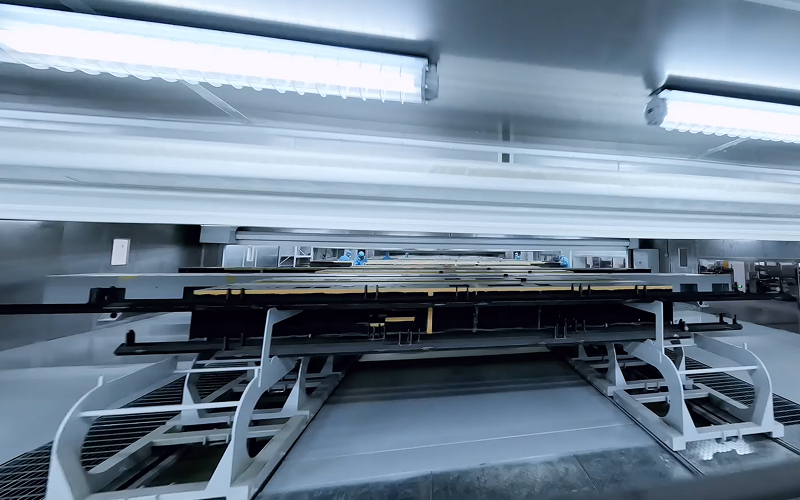
The welded body and machine frame are sent for annealing. The purpose of this process is to relieve internal stresses, improve material toughness, prevent deformation, and increase the reliability of welded joints. The machine frame is heated above the critical temperature and then slowly cooled, which stabilizes the metal through an even distribution of internal stresses. This is the stage at which the required rigidity of the frame is achieved.
During the annealing process, a significant amount of scale and oxide forms. To remove it, the machine frame undergoes a sandblasting treatment stage.
The abrasive material is fed through a nozzle onto the treated surface at high pressure (up to 7 bar). In addition to removing contaminants, abrasive particles, upon impact with the surface, remove oxide layers from the metal and improve adhesion quality for subsequent paint coating application, ensuring a high level of corrosion resistance and an attractive aesthetic appearance.
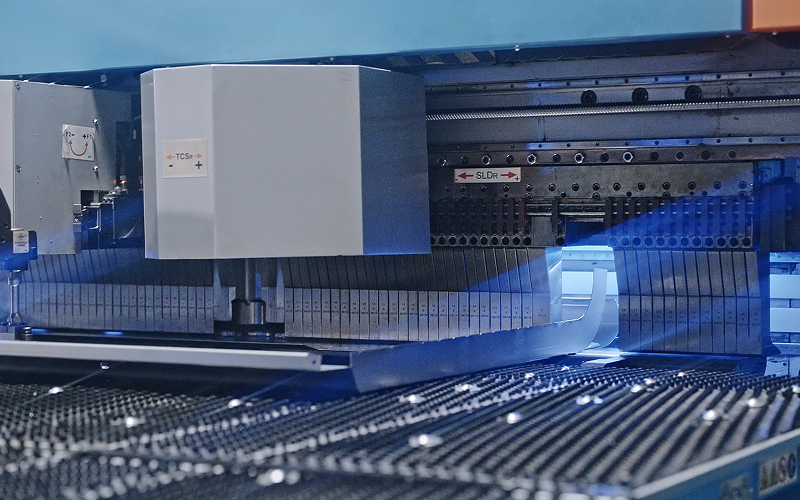
At the same time as the machine frame is being manufactured, sheet metal components for the machine body are produced on press brake machines. These include parts such as edgebanding machine doors, side panels, mounting panels for electrical equipment, control panel brackets, and similar components.
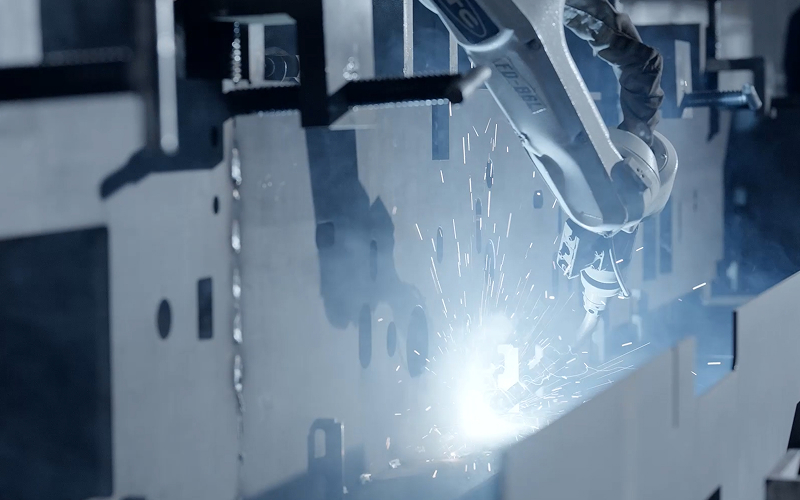
After completion of heat treatment and abrasive blasting, the metal blanks are transferred to a robotic welding station. At this stage, high precision of welding operations is crucial, as the mechanical strength and durability of the product directly depend on the quality of the weld seams. The use of robotic systems ensures process stability and prevents material overheating, resulting in uniform and strong joints.
It is also important to note that welding automation minimizes the human factor, reduces defects, and significantly increases joint accuracy, which is critical for the production of complex structures. Thanks to the high level of automation, the products meet the highest quality standards, confirmed by extensive testing and quality control at all production stages.
The final stage is the application of a paint coating.
Priming the metal structures of future machines is critically important to ensure an even and high-quality paint application and to prevent subsequent corrosion. As mentioned above, the surfaces undergo preliminary abrasive blasting, which removes various contaminants. This process not only improves the appearance of metal components but also creates the necessary surface roughness to ensure reliable adhesion of the subsequent coating. If this preparation stage is skipped, it may lead to a reduced service life of the paint layer, resulting in premature wear.
Thanks to the combination of abrasive blasting and priming, as well as modern powder coating methods, the machines receive a coating capable of withstanding environmental influences and mechanical loads, reliably protecting them from corrosion.

On specialized production sections, the processing and installation of various small components into machine parts is carried out using robotic manipulators. This ensures high positioning accuracy and stable assembly quality even under high production intensity.
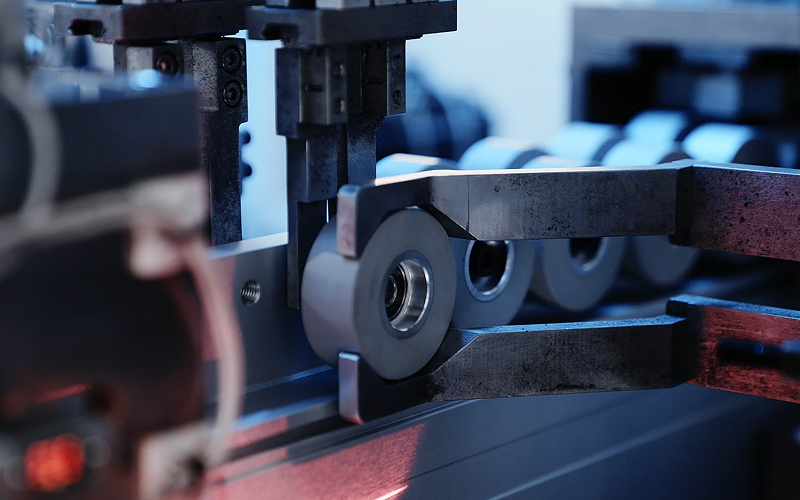
At the KDT factory, as in many mechanical engineering enterprises, a conveyor-based production system is implemented. A key feature of the process is systematic in-process quality control at all stages, which ensures not only high productivity but also strict quality monitoring. Each stage is performed by specialized personnel with narrow expertise responsible for specific operations.
Thanks to this organization of labor, production output has significantly increased, and product reliability has improved. Each KDT machine undergoes a thorough testing procedure lasting 10 to 12 hours. During this time, a detailed inspection of all systems is carried out, including electrical systems, pneumatic and hydraulic components, as well as correct software operation.
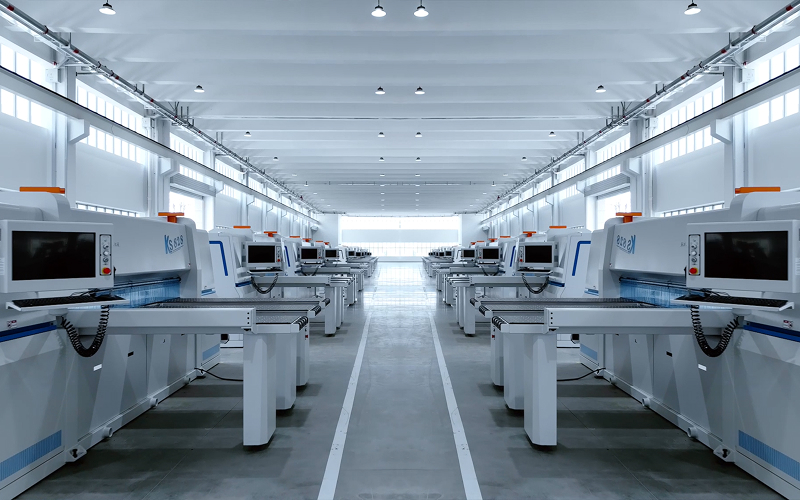
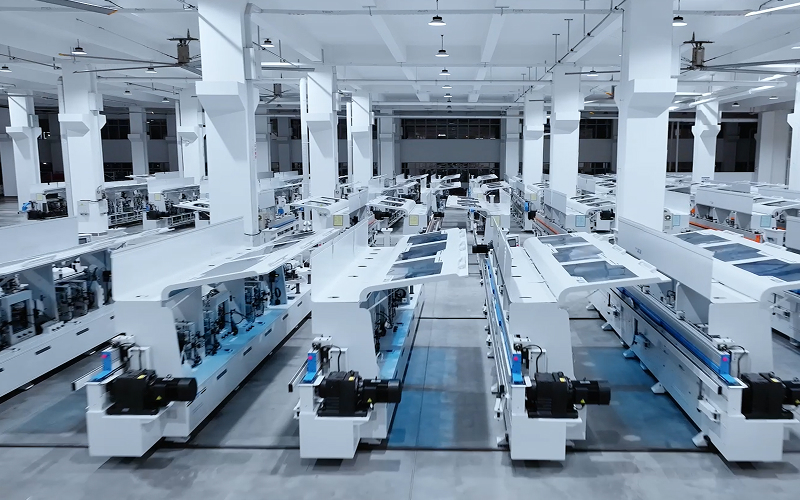
Only after receiving a readiness certificate from the responsible specialist is the machine sent to the preservation and packaging stage, where it undergoes additional treatment to protect it from external influences during transportation.
The basis of the steady growth in interest in KDT products is a responsible approach to customers and strict adherence to technological standards. Our confidence in product quality allows us to guarantee successful operation of the machinery for customers.
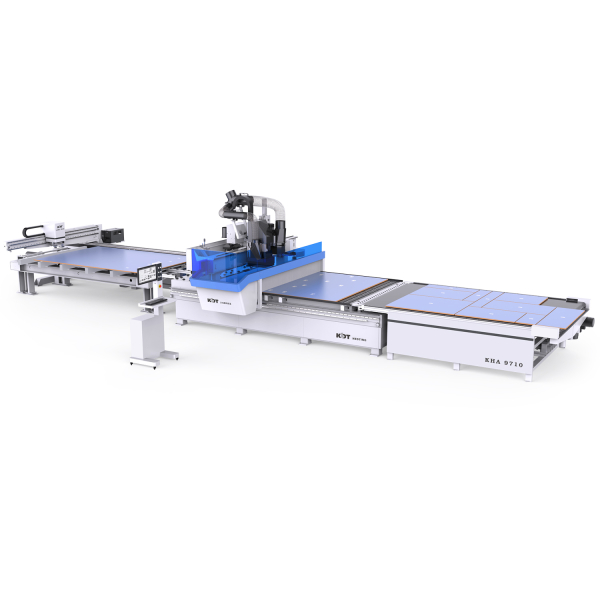
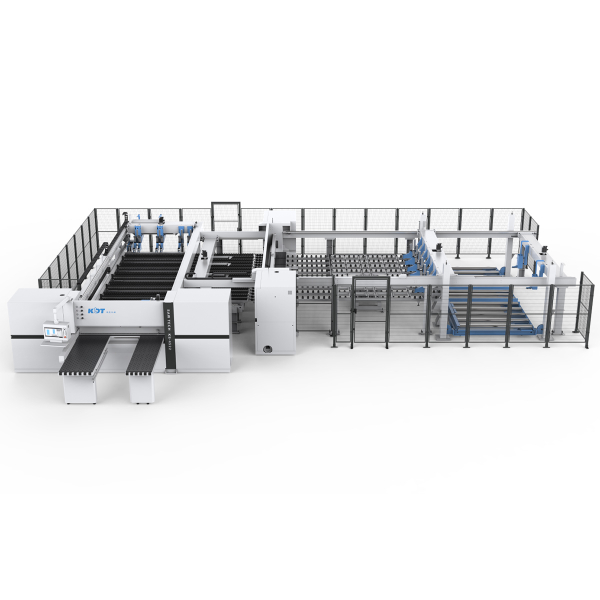
By using both conventional machines and CNC machines from KDT, you can significantly improve the efficiency and productivity of your production.
Our website stancomplect.com features the current range of machinery, as well as overview videos of machines on our YouTube channel youtube.com/@stancomplect-europe.
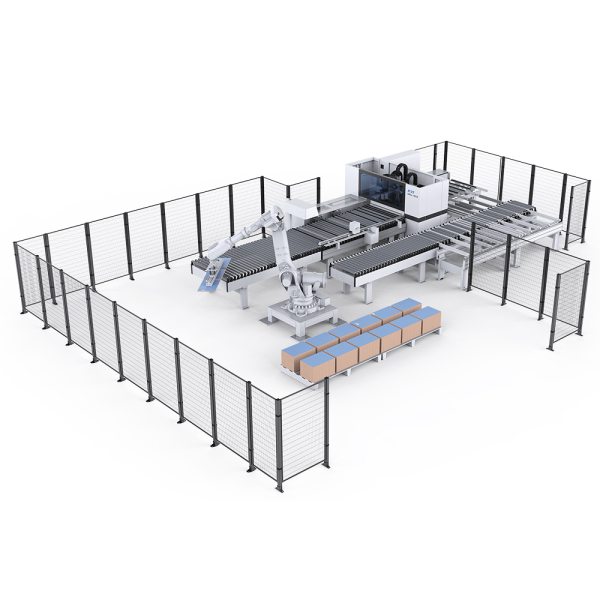
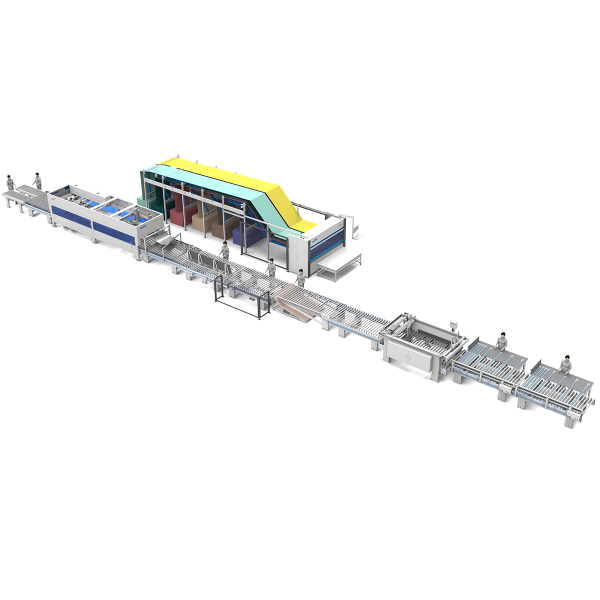
If you are looking for industrial machinery for furniture manufacturing, our company offers a full range of services, starting from machinery selection, production line design, and continuing with installation, setup, and maintenance of machines.



Write a comment